Aluminum Melting Cost Control in Production: A Technical Overview
Aluminum melting is a fundamental step in aluminum alloy production.
Controlling the costs of this process is critical to improving economic performance and maintaining a competitive edge in the market.
This article provides an in-depth analysis of cost control strategies in aluminum melting.
It examines the cost structure in detail and offers practical solutions focused on raw material selection and management, process optimization, equipment maintenance and upgrades, and production management.
The goal is to help aluminum melting operations reduce costs, increase profitability, and support sustainable development amid intense market competition.
1. Introduction
Aluminum alloys are widely used in industries such as aerospace, automotive, and construction due to their low density, high strength, and excellent corrosion resistance.
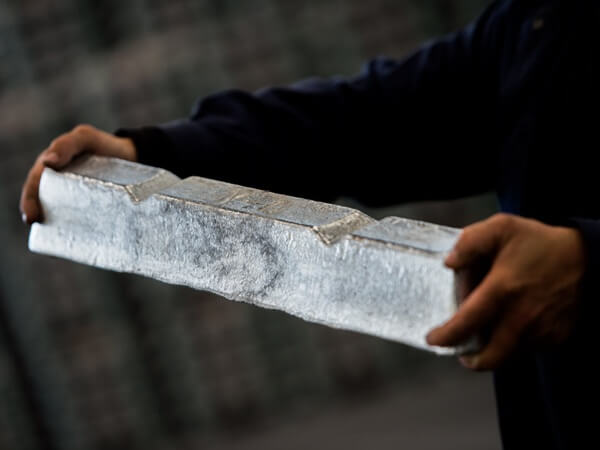
Aluminum melting involves heating aluminum and alloying elements to produce alloys that meet specific requirements, followed by casting into forms like ingots or billets for further processing.
In this process, cost control is a key component of operational management.
With rising energy prices and raw material cost fluctuations, aluminum producers face increasing financial pressure.
Implementing effective cost-reduction strategies in melting operations not only boosts profit margins but also strengthens pricing flexibility and resilience against market risks.
Therefore, studying cost control in aluminum melting has significant practical value for improving efficiency and competitiveness.
2. Analysis of aluminum melting cost structure
2.1 Raw material cost
2.1.1 Electrolytic aluminum and scrap aluminum
The primary raw materials for aluminum melting are electrolytic aluminum and scrap aluminum.
Electrolytic aluminum offers high purity and stable quality, but its cost is relatively high due to factors like alumina prices, electrolytic processing, and energy consumption.
In contrast, scrap aluminum is more cost-effective, typically priced lower than electrolytic aluminum.
It also supports environmental sustainability by reducing resource consumption and carbon emissions.
However, scrap aluminum often contains impurities and has a more complex composition.
Therefore, it requires thorough pretreatment and chemical analysis to ensure it meets casting standards.
2.1.2 Master Alloys and Additives
To achieve the desired chemical composition and performance of aluminum alloys, master alloys (e.g., aluminum-titanium-boron, aluminum-copper) and additives (e.g., refining agents) must be added.
Though used in small amounts, these materials are relatively expensive and contribute to overall costs.
For example, aluminum-titanium-boron alloys are commonly used to refine grain structure and enhance mechanical properties.
The market price is approximately USD 4,300 per ton.
In certain meltings, around 1 kg is added per ton of alloy, increasing the cost by about USD 4.30 per ton.
2.2 Energy Costs
Energy consumption is a major cost factor throughout the aluminum melting process, involving electricity, natural gas, coal, and other sources.
A large amount of heat energy is needed to melt aluminum and alloying elements, with the melting furnace being the primary energy consumer.
For instance, when using a natural gas furnace, typical consumption is about 60 cubic meters per ton of aluminum alloy.
At a natural gas price of USD 0.55 per cubic meter, the cost reaches approximately USD 33.00 per ton.
Additionally, producing electrolytic aluminum itself is highly energy-intensive.
If the enterprise operates its own power plant, the associated construction, fuel, operation, and maintenance costs also indirectly increase the overall energy cost of the melting process.
2.3 Auxiliary Material Costs
Auxiliary materials used in aluminum melting include refractory materials, covering agents, and filtration media.
Refractory materials are essential for constructing furnaces, channels, and other high-temperature components.
Their quality and lifespan directly impact production stability and long-term costs.
High-grade refractory materials are more expensive but last longer, reducing the need for frequent replacements.
For example, premium refractory bricks cost USD 4.00 each and last for about 3,000 uses, while standard bricks cost USD 2.00 each but only last for 1,000 uses.
In large-scale production, using high-grade bricks is more cost-effective over time.
Covering agents are applied to the surface of molten aluminum to prevent oxidation and gas absorption, while filter materials help remove impurities from the melt, improving alloy quality.
Although these materials are consumed in smaller quantities, their purchase and usage costs still contribute significantly to overall production expenses and must be carefully managed.
2.4 Equipment Depreciation and Maintenance Costs
Aluminum melting and casting involve various types of equipment, such as melting furnaces, alloying and refining furnaces, and casting machines.
These machines require significant upfront investment and must be depreciated over their expected service life.
For example, a large melting furnace may cost over USD 1 million.
If depreciated over 10 years, the annual depreciation cost can reach several hundred thousand dollars.
In addition, equipment requires regular maintenance, routine inspections, and part replacements, all of which add to operating expenses.
Poor maintenance can lead to frequent breakdowns, increasing repair costs and causing unplanned downtime, which results in production delays and higher overall costs.
2.5 Labor Costs
Skilled labor is required at every stage of the process—from raw material inspection and preparation to melting, refining, and casting.
Labor costs include wages, benefits, and training expenses.
Due to labor market conditions, these costs are rising each year.
In coastal regions, the average annual salary and benefits for each employee in aluminum melting can range from USD 10,000 to 20,000.00
For a medium-sized plant with 200 workers, this results in an annual labor cost of approximately USD 2 to 4 million.
2.6 Scrap Loss Costs
Scrap is generated during the melting and casting process due to factors like incorrect batching or casting defects.
This leads to wasted raw materials, energy, and labor, and often requires reprocessing, adding to the total cost. The scrap rate directly impacts scrap-related losses.
For instance, if the scrap rate is 1.5% and annual production is 200,000 tons, with a cost of USD 110 per ton, the additional cost due to scrap loss amounts to USD 330,000.
Therefore, reducing the scrap rate is a key strategy for cost control.
3. Cost control measures
3.1 Raw material procurement and management
3.1.1 Optimize raw material ratio
Based on the required quality and performance standards of aluminum alloy products, the optimal mix of electrolytic aluminum and scrap aluminum should be calculated precisely.
A raw material database should be developed to record and analyze key information—such as composition, impurity levels, and prices—of electrolytic and scrap aluminum from different batches and sources.
Using experimental data and simulation analysis, the highest possible proportion of scrap aluminum that still meets product quality standards can be determined.
For example, in the production of 6063 aluminum alloy, tests have shown that using 30–40% scrap aluminum can maintain product quality while significantly reducing costs.
In addition, the ratio of raw materials should be adjusted based on market prices.
When scrap aluminum becomes cheaper, its proportion can be increased.
When electrolytic aluminum becomes more cost-effective, its usage should be prioritized.
3.1.2 Improve Scrap Aluminum Pretreatment
The effectiveness of scrap aluminum pretreatment directly impacts melting efficiency, casting quality, and overall production cost.
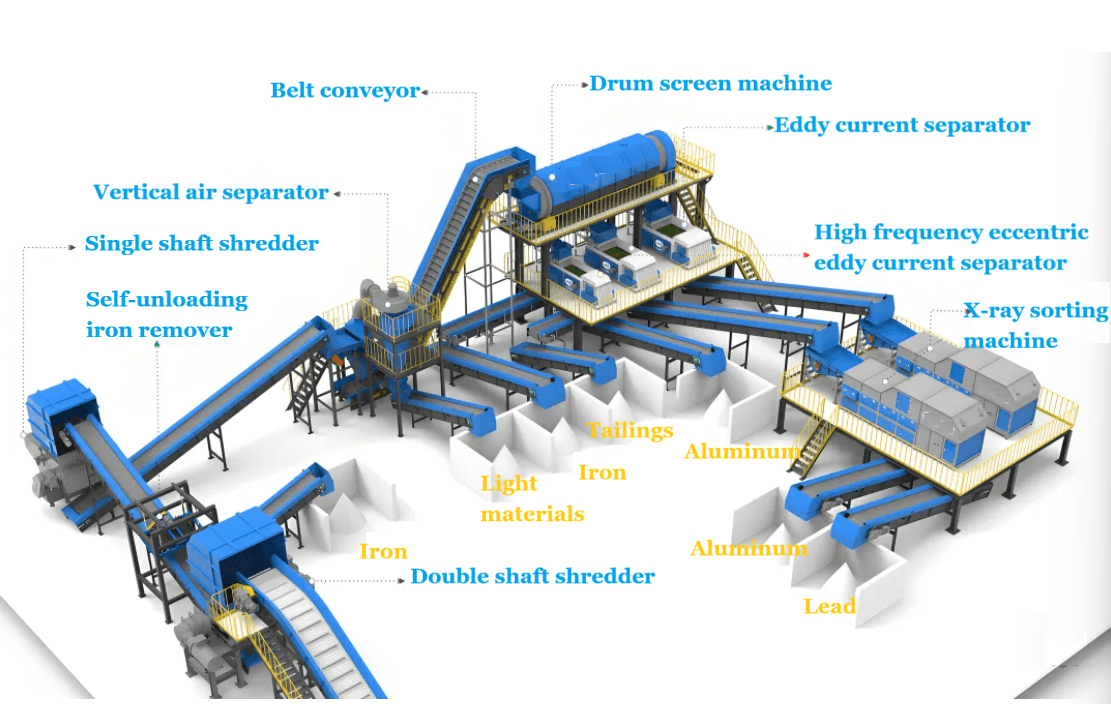
A complete pretreatment process should be established, including sorting, disassembly, cleaning, crushing, and impurity removal.
Advanced separation methods—such as magnetic separation, gravity separation, and flotation—should be used to remove contaminants like iron, copper, and plastic.
For scrap with surface oil or coatings, cleaning methods such as chemical or ultrasonic cleaning can be applied to ensure surface cleanliness.
After cleaning, the scrap aluminum should be crushed to a uniform size for easier and more efficient melting.
By improving pretreatment, the usability of scrap aluminum increases, while impurity-related defects and melting challenges are reduced—ultimately lowering production costs.
3.1.3 Build Stable Raw Material Supply Channels
Establish long-term partnerships with reliable suppliers of electrolytic aluminum and scrap aluminum.
Sign long-term supply contracts to ensure stable availability and reduce price volatility. Contracts should include price adjustment mechanisms based on market trends and cost changes, minimizing the impact of raw material price fluctuations.
In addition, expand supplier networks to avoid over-reliance on a single source.
Maintain contact with multiple suppliers and conduct regular quality and performance assessments to ensure consistent raw material quality and service.
Stable and diversified supply channels help secure better pricing, reduce procurement risks, and lower overall material costs.
3.2 Melting process optimization
3.2.1 Improving melting efficiency
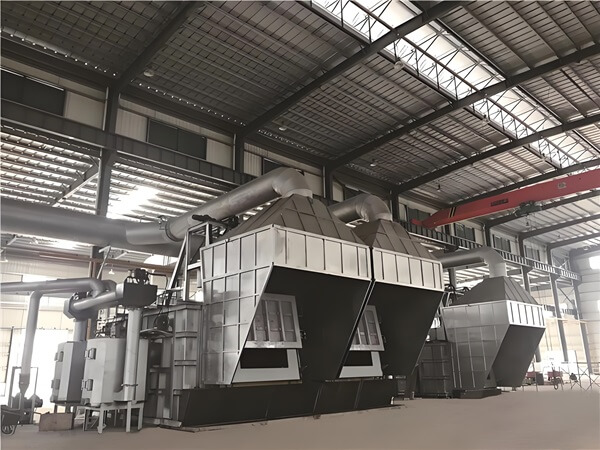
Use advanced melting equipment and technologies—such as high-efficiency energy-saving furnaces and electromagnetic stirring—to improve the speed and efficiency of aluminum melting.
High-efficiency furnaces heat quickly and retain heat better, reducing melting time and lowering energy consumption.
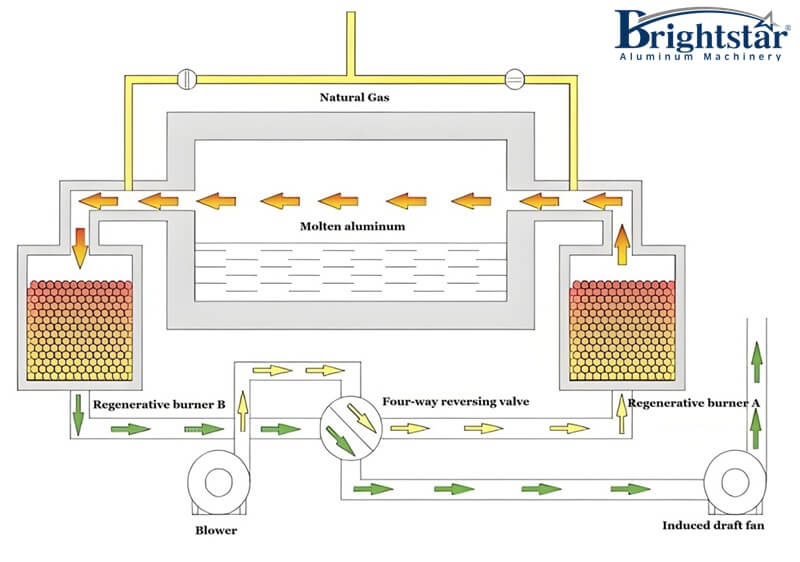
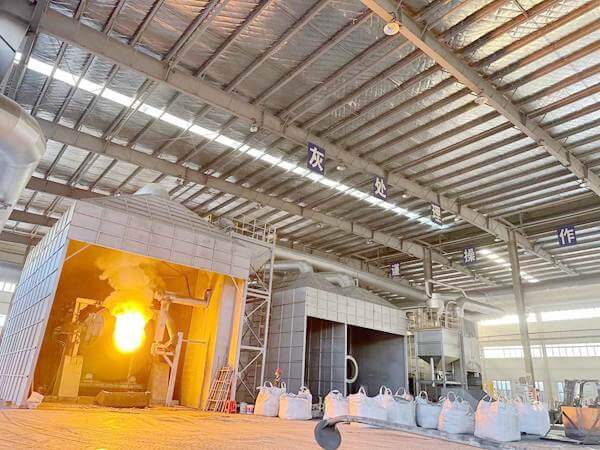
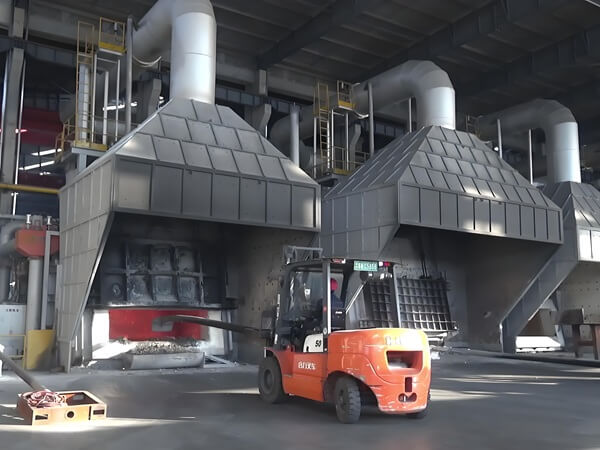
For example, after one company upgraded from a traditional furnace to a regenerative melting furnace, melting time was reduced by 20%, and natural gas use dropped by 30%.
Electromagnetic stirring helps evenly distribute heat in the molten aluminum, speeds up the mixing of alloying elements, and improves melting quality.
In addition, optimize melting schedules to reduce idle furnace time and minimize the number of heating and cooling cycles.
Efficient production planning ensures continuous operation, maximizes furnace output, and lowers both energy use and equipment wear per unit of production.
3.2.2 Reducing Burn Loss
Burn loss—caused by oxidation and metal vaporization—is a common issue in aluminum melting but can be minimized with proper controls.
Strictly manage melting temperature and duration to avoid overheating and extended exposure to high temperatures, which increase oxidation and gas absorption.
Set appropriate temperature curves based on the alloy type to reduce heat levels and shorten melting time without affecting quality.
Apply protective measures such as covering agents and inert gases (e.g., argon) to form a barrier over the molten aluminum and prevent contact with air.
This effectively reduces oxidation loss.
Improve slag removal techniques by using proper tools and methods to avoid removing aluminum along with the slag, helping to boost metal recovery rates.
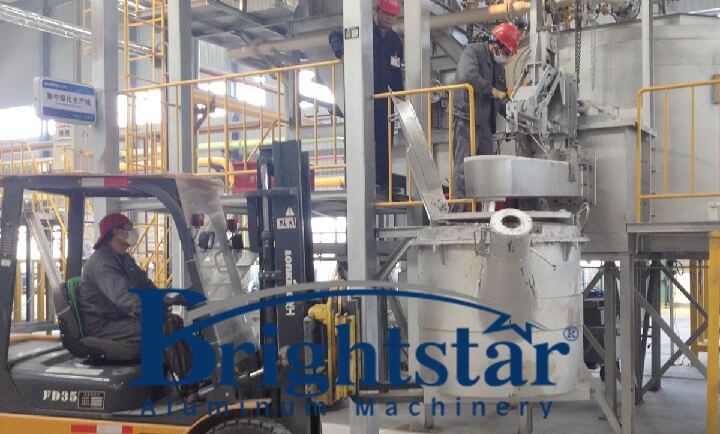
Additionally, an aluminum dross machine can be used to extract aluminum from the dross, resulting in a better recovery rate.
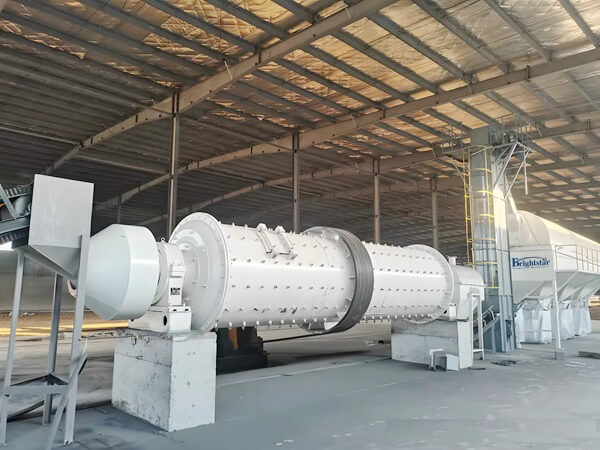
For secondary aluminum dross, a ball mill and screening system can be applied to crush and grind and separate aluminum dross in the operation.
3.2.3 Waste Heat Recovery
Melting processes generate a large amount of high-temperature exhaust gas.
If released directly, this heat is wasted and contributes to environmental heat pollution.
Install waste heat recovery systems—such as waste heat boilers and air preheaters—to capture and reuse this energy.
Waste heat boilers can turn exhaust heat into steam for other production uses or electricity generation.
Air preheaters use exhaust heat to warm incoming combustion air, improving fuel efficiency and reducing overall energy consumption.
By recovering and reusing waste heat, companies can lower energy costs, reduce emissions, and support sustainable production goals.
3.3 Improvement of the purification and refining process
3.3.1 Accurately control the amount of refining agent
Refining agents are essential for removing impurities and gases from molten aluminum, but using too much can raise costs and even introduce new impurities.
To control usage, the impurity and gas content in the melt should be accurately measured using advanced tools such as direct-reading spectrometers and gas analyzers.
Based on the melt’s condition and the effectiveness of the refining agent, the optimal amount can be calculated.
A mathematical model can be built to link refining agent quantity with melt quality.
By using real-time data and verifying with production results, the amount of refining agent can be adjusted to ensure effective purification while minimizing unnecessary cost.
3.3.2 Optimizing Refining Process Parameters
Refining effectiveness depends on key parameters such as time, temperature, and stirring speed.
Different types of aluminum alloys and quality requirements call for different parameter settings.
Through testing and production experience, the best combination of parameters for each alloy type can be identified. For example:
For alloys prone to gas absorption, extending refining time and increasing stirring speed improves gas removal.
For alloys sensitive to impurities, precisely controlling refining temperature helps prevent re-contamination.
Optimizing these parameters improves refining efficiency, reduces scrap, and lowers production costs.
3.3.3 Applying Advanced Refining Technologies
New refining technologies, such as rotary jet refining and foam ceramic filtration, offer better purification results.
Rotary jet refining injects the refining agent into molten aluminum using a high-speed rotating nozzle.
This creates fine bubbles that increase contact with the melt, enhancing impurity and gas removal.
Foam ceramic filters use a porous 3D structure to remove fine inclusions (down to micron level) from the melt, improving alloy purity.
Companies should adopt these advanced technologies based on their production needs and product quality standards. Doing so can improve final product quality and reduce costs associated with defects or rework.
3.4 Ingot casting process control
3.4.1 Improving casting success rate
To increase the success rate of ingot casting, optimize key process parameters such as casting speed, cooling rate, and mold (crystallizer) temperature.
Incorrect casting speed—too fast or too slow—can lead to defects like cracks or shrinkage cavities in the ingots.
Use experimental data and simulations to determine the ideal casting speed range for each alloy type.
Control the cooling rate carefully to maintain an even temperature throughout the ingot during solidification.
This helps prevent stress buildup and related defects.
Maintain and inspect the crystallizer regularly to ensure even temperature distribution and a smooth working surface.
Train operators to improve their technical skills and awareness, and monitor the casting process in real time to catch and resolve problems early.
These actions help raise casting yield and reduce scrap.
3.4.2 Reducing Casting Costs
Lowering casting costs without compromising quality involves optimizing the entire process.
Mold Design: Use durable, precision molds to extend service life and reduce replacement frequency and costs.
Materials: Apply high-quality mold materials and advanced machining methods to enhance mold strength and accuracy.
Auxiliary Materials: Reduce the use of release agents and lubricants where possible, and choose cost-effective alternatives.
Equipment Maintenance: Regularly service casting machines to keep them running reliably and reduce unexpected repair costs.
These strategies help improve production efficiency and overall cost-effectiveness.
3.4.3 Improving Dimensional Accuracy of Slabs
Controlling slab dimensions precisely reduces material loss and rework during later stages like sawing or machining.
Set up a complete dimension monitoring system that tracks slab size in real time during casting.
Use advanced online measuring tools such as laser thickness gauges and profile scanners to accurately monitor slab thickness, width, and length.
Keep casting molds well-calibrated and properly maintained to ensure consistent and accurate dimensions.
Better dimensional control reduces waste, lowers processing costs, and increases product quality and competitiveness.
3.5 Equipment Management and Maintenance
3.5.1 Regular Equipment Maintenance
Establish a comprehensive maintenance schedule for core equipment such as melting furnaces, refining furnaces, and casting machines.
Routine maintenance should include cleaning, lubrication, tightening, adjustment, and replacement of worn components.
Monitor equipment performance regularly to detect and fix issues early, reducing the risk of breakdowns.
For example:
Periodically inspect and clean the melting furnace’s combustion system to keep the burner running efficiently, which helps lower fuel usage.
Lubricate and adjust the casting machine’s moving parts to maintain consistent and accurate casting speeds.
Regular maintenance improves equipment reliability, extends service life, reduces unplanned downtime, and lowers repair costs.
3.5.2 Equipment Upgrade and Modification
As technology advances, existing equipment should be upgraded or modified in a timely manner to enhance performance and efficiency.
For example:
Upgrade old melting furnaces by installing energy-efficient burners, improved insulation, and modern control systems to boost thermal efficiency and reduce fuel consumption.
Automate casting machines by adding automatic control systems and real-time monitoring tools to improve casting precision, reduce manual work, and lower labor costs.
When upgrading, consider production needs, cost-effectiveness, and return on investment.
Choose upgrade plans that deliver clear performance gains and help lower overall production costs.
3.5.3 Predictive Maintenance and Fault Diagnosis
Adopt advanced predictive maintenance and fault diagnosis technologies to monitor equipment condition in real time and identify problems before they cause failures.
Use sensors, the Internet of Things (IoT), and data analytics to collect data such as temperature, pressure, vibration, and current, and build predictive models to detect abnormal trends.
When abnormal data is detected, the system sends early warnings to allow preventive maintenance.
This approach helps:
Avoid unexpected breakdowns
Reduce repair and downtime costs
Improve equipment reliability and overall production efficiency.
3.6 Production management optimization
3.6.1 Lean Production Management
Implement lean production to remove waste from the manufacturing process and boost efficiency and quality.
Lean production focuses on meeting customer demands and making the best use of company resources by improving workflows, cutting inventory, and shortening production times.
In aluminum alloy melting and casting, use just-in-time (JIT) production to plan manufacturing based on actual customer orders, avoiding overproduction and excess stock.
Optimize factory layout to minimize material movement, saving time and handling costs.
Apply 5S management (Sort, Set in order, Shine, Standardize, Sustain) to keep the workplace organized and clean, which improves worker efficiency and equipment performance.
These lean methods help lower production costs and increase market competitiveness.
3.6.2 Quality Control
Strengthen quality management by setting up a comprehensive system and strictly controlling quality at every stage—from raw materials to finished products.
Establish clear quality standards and inspection procedures.
Check raw materials carefully to ensure they meet requirements.
Monitor and test critical production parameters during manufacturing to quickly find and fix quality issues.
Perform thorough inspections on finished products to ensure they meet customer expectations.
Improving quality reduces scrap, rework, and customer complaints, lowering costs and enhancing company reputation and market share.
3.6.3 Employee Training and Incentives
Enhance employee skills and overall quality through focused training programs.
Create tailored training for different roles, covering operation skills, safety, and quality management.
Training helps employees better understand production processes and equipment operation, improving efficiency and product quality.
Set up fair incentive systems that connect performance with pay and promotions to motivate employees.
Recognize and reward staff who contribute to cost control, quality improvement, and innovation.
Encourage all employees to participate actively in cost control and management, fostering a positive culture of continuous improvement.
Majored in electromechanical engineering, served in aluminum extrusion for 8 years, aluminum equipment for 16 years, currently working as a sales engineer at Brightstar Aluminum Machinery. Rich experience in aluminum extrusion equipment and melting and dross processing fields.