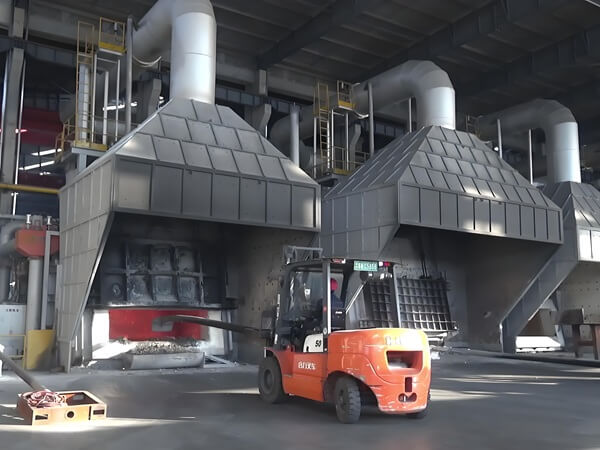
Energy consumption analysis and energy saving measures in melting process
Energy consumption analysis and energy saving measures in melting process
This article systematically analyzes the energy consumption problem in the melting process, explores the key factors affecting the melting energy consumption, and puts forward a series of energy-saving measures.
Through the study of heat transfer efficiency, equipment performance, process parameters, raw material characteristics, etc., the root cause of energy loss in the melting process is revealed.
The study shows that measures such as optimizing equipment structure, improving process technology, and strengthening energy management can significantly reduce melting energy consumption, improve energy utilization efficiency, and achieve the unity of economic and environmental benefits, providing theoretical and practical guidance for energy conservation and emission reduction in the melting link in industrial production.
Keywords
Melting process; energy consumption analysis; energy-saving measures; heat transfer; energy management
1. Introduction
In modern industrial production, the melting process is a key link in many industries, involving the conversion of solid raw materials into liquid, laying the foundation for subsequent processing and molding.
However, the melting process usually consumes a lot of energy to meet the needs of raw material heating, phase change and maintaining a high temperature environment.
With the increasingly severe global energy shortage problem and the continuous improvement of environmental protection requirements, reducing the energy consumption of the melting process and improving energy utilization efficiency have become important issues that need to be solved in the industrial field.
In-depth analysis of the energy consumption composition and influencing factors in the melting process and taking effective energy-saving measures will not only help enterprises reduce production costs and improve market competitiveness, but also have important significance for promoting industrial sustainable development and achieving the ” Carbon Peaking and Carbon Neutrality ” goal.
2. Analysis of energy consumption composition in melting process
2.1 Energy required for heating and melting of raw materials
The core energy consumption of the melting process is that the raw material rises from the initial temperature to the melting point and completes the melting.
According to the principle of specific heat capacity and latent heat of phase change, the heat Q absorbed by the raw material can be calculated by the formula Q = mc\Delta T + mL, where m is the mass of the raw material, c is the specific heat capacity, \Delta T is the temperature change, and L is the latent heat of phase change.
The specific heat capacity and latent heat of phase change of different raw materials vary significantly.
For example, the melting point of aluminum is 660.32℃, the specific heat capacity is about 0.902 J/(g·℃), and the latent heat of melting is about 398 J/g;
The melting point of steel is between 1300-1500℃ due to different components, the specific heat capacity is about 0.46 J/(g·℃), and the latent heat of melting is also different.
The larger the mass of the raw material, the lower the initial temperature, and the higher the melting point, the more energy is required.
2.2 Equipment heat dissipation loss
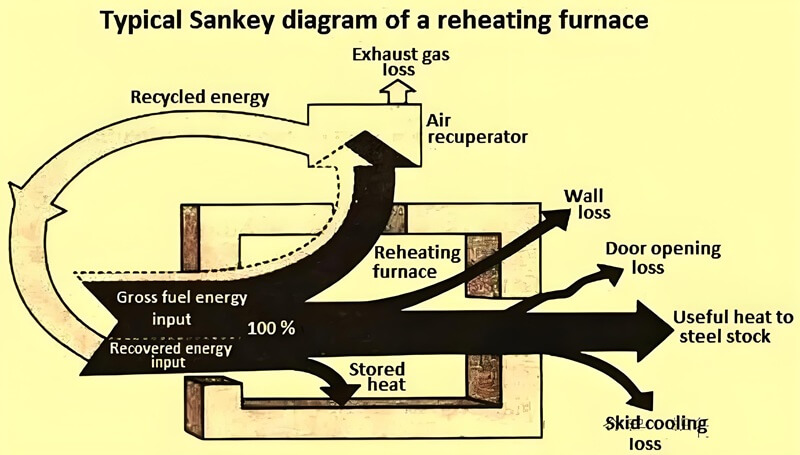
During operation, melting equipment will inevitably dissipate heat to the surrounding environment, causing energy loss.
Equipment heat dissipation is mainly carried out through three ways: heat conduction, heat convection and heat radiation.
Factors such as furnace structure, insulation material performance and equipment sealing degree have a great influence on heat dissipation loss.
For example, if a traditional melting furnace uses ordinary refractory materials with high thermal conductivity, heat will be quickly dissipated through the furnace wall.
Poor sealing of furnace doors, observation holes and other parts will cause high-temperature gas to leak out, exacerbating energy loss through convection and radiation.
According to statistics, the heat dissipation loss of some melting equipment can account for 10% – 30% of the total energy consumption.

2.3 Energy consumption of auxiliary systems
Auxiliary systems in the melting process, such as heating devices, stirring equipment, ventilation systems, gas supply systems, etc., all require energy consumption.
Taking the heating device as an example, the resistance furnace heats through the resistance wire, and the induction furnace heats using the principle of electromagnetic induction.
The energy conversion efficiency of different heating methods varies.
The stirring equipment is used to promote uniform mixing of materials and accelerate melting, but the stirring process consumes electricity, and excessive stirring may cause additional energy loss;
The ventilation system is used to discharge exhaust gas and adjust the atmosphere in the furnace, and the operation of the fan also consumes a lot of electricity.
The energy consumption of these auxiliary systems accounts for a certain proportion of the total energy consumption of melting and cannot be ignored.
2.4 Energy waste in the process
In actual production, energy waste may occur due to unreasonable process parameters and improper operation.
For example, if the melting temperature is too high or the holding time is too long, the raw materials will continue to absorb heat at unnecessary high temperatures, increasing energy consumption.
If the feeding method is improper, the raw materials cannot fully utilize the heat, prolong the melting time, and indirectly increase energy consumption.
The equipment is frequently started and stopped, and the temperature needs to be reheated every time it is started, resulting in a lot of energy waste.
In addition, impurities and moisture in the raw materials will also affect the energy consumption of the melting process.
The evaporation of moisture requires the absorption of heat, and impurities may change the physical and chemical properties of the material, increasing the difficulty of melting.
3. Key factors affecting energy consumption in melting process
3.1 Equipment performance and structure
The performance and structure of the equipment directly determine the energy utilization efficiency.
Advanced melting equipment usually adopts efficient heating technology and reasonable structural design to reduce energy loss.
For example, compared with traditional resistance furnaces, induction furnaces have the characteristics of fast heating speed and high thermal efficiency, which can significantly reduce energy consumption.
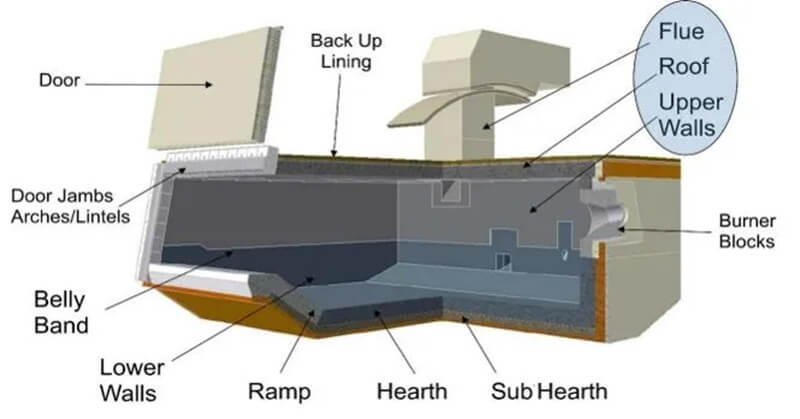
The structural design of the furnace body, such as the shape, size, and thickness of the furnace wall, will affect the heat transfer path and heat dissipation area.
Reasonable furnace shape can optimize gas flow and heat distribution, reduce local overheating and energy waste.
Increasing the thickness of the furnace wall insulation layer and selecting insulation materials with low thermal conductivity can effectively reduce heat dissipation losses.
3.2 Process parameter control
Precise control of process parameters has an important impact on energy consumption.
Melting temperature is one of the key parameters.
Too high a temperature will not only increase energy consumption, but may also have a negative impact on product quality;
Too low a temperature will prolong the melting time, which will also lead to increased energy consumption.
The heating rate also needs to be reasonably controlled.
Too fast a heating rate may cause excessive equipment load, increase energy consumption, and easily cause uneven temperature inside the raw materials.
Too slow a heating rate will prolong the production cycle.
In addition, the optimization and adjustment of parameters such as insulation time, stirring speed, and gas flow rate can reduce energy consumption while ensuring product quality.
3.3 Raw material characteristics
The type, composition, particle size and other characteristics of raw materials have a significant impact on the energy consumption of melting.
Different types of raw materials have different melting points, specific heat capacities and latent heats of phase change, and their energy consumption requirements vary greatly.
The impurity content and composition in the raw materials will change the physical and chemical properties of the materials and affect the melting process.
For example, ores with a high iron content require higher temperatures and more energy when melting.
The particle size of the raw materials will also affect the heat transfer efficiency.
Raw materials with larger particle sizes have a small heat transfer area, slow heat transfer, long melting time, and increased energy consumption; while fine particles may cause problems such as dust, increasing processing costs and energy consumption.
3.4 Energy management level
The energy management level of an enterprise has an important impact on the energy consumption of the melting process.
A sound energy management system can achieve the rational allocation and effective use of energy and reduce waste.
For example, by installing energy metering devices, the energy consumption of each link can be monitored in real time, and abnormal energy consumption can be discovered and adjusted in time;
Formulate a scientific production plan to avoid idling and frequent start and stop of equipment.
Strengthen employee energy-saving training, improve energy-saving awareness and operating skills, standardize operating procedures, and thus reduce unnecessary energy consumption.
4. Energy-saving measures for melting process
4.1 Optimize equipment performance and structure
4.1.1 Use efficient heating technology
Actively promoting and applying efficient heating technology is an important way to reduce melting energy consumption.
For example, electromagnetic induction heating technology uses the principle of electromagnetic induction to generate eddy current heating inside the material, which has the advantages of fast heating speed, high thermal efficiency, and precise temperature control.
Compared with traditional heating methods, induction heating can shorten the melting time by 30% – 50% and reduce energy consumption by 20% – 40%.
In addition, microwave heating technology uses the interaction between microwaves and material molecules to generate heat, which has the characteristics of uniform heating and selective heating.
It is especially suitable for the melting of some special materials and can effectively reduce energy consumption.
4.1.2 Improve the furnace structure and insulation materials
Optimize the furnace structure, reasonably design the shape and size of the furnace, reduce the heat dissipation area, and improve the heat transfer efficiency.
The multi-layer composite lining structure is adopted.
The inner layer uses high-temperature resistant refractory materials, and the middle and outer layers use ceramic fibers, rock wool and other materials with good thermal insulation performance.
This can significantly reduce the thermal conductivity of the furnace wall and reduce heat dissipation losses.
For example, after a company replaced the traditional furnace lining with a new composite insulation material, the surface temperature of the furnace wall decreased by 50-80℃ and the energy consumption decreased by about 15%.
At the same time, strengthen the furnace body sealing, and carry out sealing transformation on the furnace door, observation hole, pipeline interface and other parts to prevent high-temperature gas leakage and cold air from entering, and further reduce energy loss.
4.2 Accurately control process parameters
4.2.1 Reasonably set melting temperature and heating rate
According to the raw material characteristics and product quality requirements, accurately calculate and set reasonable melting temperature and heating rate.
Through experiments and data analysis, determine the optimal melting temperature range of different raw materials to avoid excessively high or low temperatures.
Adopt a segmented heating strategy, appropriately increase the heating rate at the beginning of melting, and quickly heat the raw materials to a temperature close to the melting point.
When approaching the melting point, reduce the heating rate to make the raw materials evenly heated and reduce energy waste.
For example, in the glass melting process, reasonable adjustment of the melting temperature and heating rate can reduce energy consumption by 10% – 15%.
4.2.2 Optimize stirring and gas flow control
Reasonably control the operating parameters of the stirring equipment(electromagnet stirrer), and adjust the stirring speed and time according to the material state and melting stage.
In the early stage of melting, appropriately increase the stirring speed to promote material mixing and heat transfer.
After the material is basically melted and evenly melted, reduce the stirring speed or stop stirring to reduce unnecessary energy consumption.
For melting processes that require gas (such as the melting process in the metallurgical industry), accurately control the gas flow and composition to avoid gas waste.
Use an automated control system to monitor and adjust the gas flow in real time to ensure the stability of the process and reduce energy consumption.
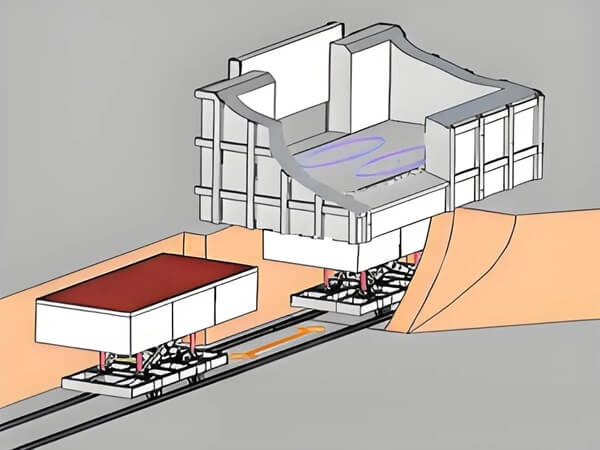
Electromagnetic stirrer
4.3 Improve raw material processing and management
4.3.1 Raw material pretreatment
Pretreatment of raw materials can effectively reduce melting energy consumption.
Crushing raw materials, reducing particle size, increasing heat transfer area, improving heat transfer efficiency, and shortening melting time.
For example, after crushing large pieces of ore into suitable particle size, the melting time can be shortened by 20% – 30%.
Drying raw materials to remove moisture and avoid evaporation of moisture to consume heat.
In addition, screening and grading raw materials to remove impurities, improve raw material purity, reduce melting difficulty, and reduce energy consumption.
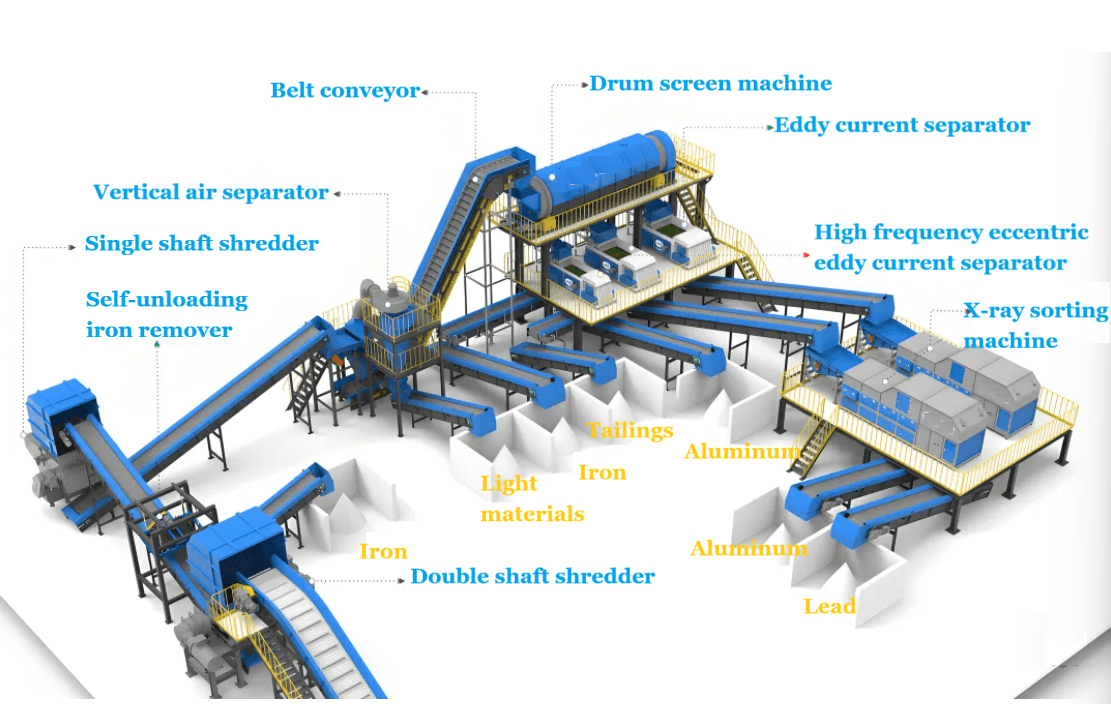
4.3.2 Raw material matching and mixing
According to the characteristics of raw materials, different types of raw materials can be reasonably matched to achieve complementary advantages and reduce overall energy consumption.
For example, in steel smelting, mixing high melting point ore with low melting point ore in a certain proportion can reduce the melting temperature and energy consumption.
Optimize the raw material mixing process to ensure that the raw materials are mixed evenly, so that the materials can be evenly heated during the melting process, avoid local overheating or overcooling, and improve energy utilization efficiency.
4.4 Strengthen energy management and recycling
4.4.1 Establish an energy management system
Enterprises should establish a sound energy management system, formulate clear energy-saving goals and plans, decompose energy consumption indicators into various production links and positions, and implement energy-saving responsibilities.
Strengthen energy metering management, install high-precision energy metering instruments, monitor and count energy consumption data of various equipment and processes in real time, and provide a basis for energy-saving analysis and decision-making.
Through data analysis, find out the links and causes of high energy consumption and take targeted improvement measures.
4.4.2 Recycling of waste heat
A large amount of waste heat resources such as high-temperature waste gas and waste slag will be generated during the melting process.
Recycling these waste heat can significantly improve energy utilization efficiency.
Use waste heat boilers, heat exchangers and other equipment to recover the heat in high-temperature waste gas and use it to preheat raw materials, heat combustion air or generate steam to achieve secondary utilization of energy.
For example, in the metallurgical industry, the heat of high-temperature flue gas is recovered through waste heat recovery devices and used to preheat ore and combustion air, which can reduce fuel consumption by 15% – 20%.
In addition, the waste heat of waste slag can also be recycled, such as using water cooling and other methods to recover the heat in the waste slag for other production links or life purposes.
4.5 Application of intelligent and automated technologies
Introduce intelligent and automated control systems to achieve precise control and optimized operation of the melting process.
Through sensors, key parameters such as temperature, pressure, and flow are monitored in real time, and the data is transmitted to the control system.
The system automatically adjusts the equipment operating parameters according to the preset program to ensure the stability of the process and reduce energy waste caused by improper human operation.
Using big data analysis and artificial intelligence technology, a large amount of production data is analyzed to predict energy consumption trends, optimize production processes and equipment operation plans, and further improve energy efficiency.
For example, after an aluminum melting plant adopted an intelligent control system, energy consumption was reduced by 12% and production efficiency increased by 15%.
5. Conclusion
The energy consumption of the melting process is affected by a variety of factors, including equipment performance, process parameters, raw material characteristics and energy management.
In-depth analysis of energy consumption composition and key influencing factors, and a series of energy-saving measures such as optimizing equipment performance, accurately controlling process parameters, improving raw material processing, strengthening energy management and recycling, and applying intelligent technology can effectively reduce the energy consumption of the melting process and improve energy utilization efficiency.
Under the current energy and environmental situation, enterprises should attach great importance to energy conservation in the melting process, continuously explore and apply new technologies and methods, achieve a win-win situation of energy conservation and emission reduction and economic benefits, and promote industrial production to develop in a green, low-carbon and sustainable direction.
In the future, with the continuous advancement of science and technology, energy-saving technologies in the melting process will continue to innovate and develop, making greater contributions to energy conservation and environmental protection in the industrial field.