
Cost control measures for recycling and utilization of aluminum scrap
Cost control measures for recycling and utilization of aluminum scrap
1. Introduction
With increasing global attention to sustainable resource utilization and environmental protection, aluminum scrap recycling and utilization have gained widespread attention as an important resource recovery method.
Scrap aluminum recycling not only reduces dependence on primary aluminum ore resources, reduces energy consumption and environmental pollution, but also possesses significant economic value.
However, in the aluminum scrap recycling and grading process, cost control is a key factor in achieving profitability and sustainable development for enterprises.
Effective cost control measures can enhance a company’s market competitiveness and promote the healthy development of the aluminum scrap recycling industry.
This article will analyze in detail the cost structure of aluminum scrap recycling and utilization, and propose targeted cost control measures.
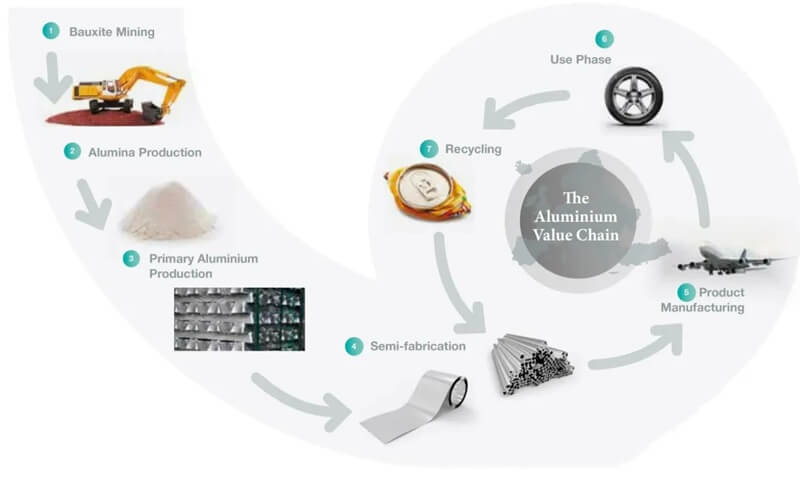
2. Cost Structure of Scrap Aluminum Recycling and Retaining Grades
2.1 Raw Material Costs
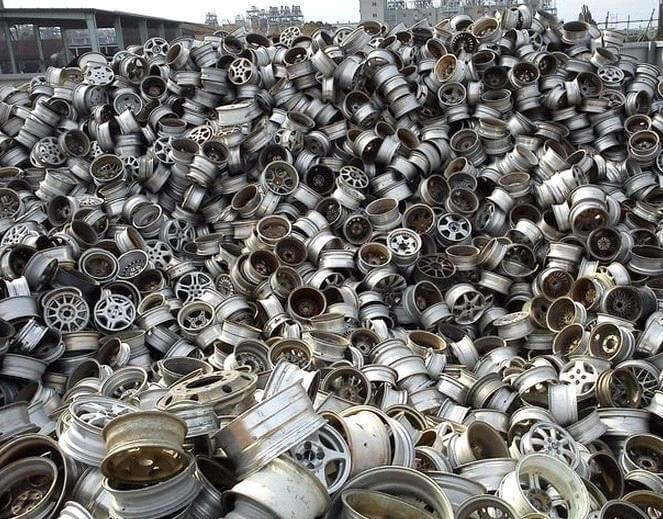
Raw material costs dominate the total cost of scrap aluminum recycling and retaining grade, typically accounting for 60%-80%.
The price of scrap aluminum is influenced by a variety of factors, including market supply and demand, quality, and source.
For example, scrap aluminum with high purity and few impurities commands a relatively high price, while scrap aluminum with complex alloy compositions and high impurities commands a lower price.
In addition, the level of sophistication of the scrap aluminum recycling system directly impacts raw material costs.
In areas with underdeveloped recycling systems, scrap aluminum recycling is difficult and costly, leading to increased raw material procurement costs.
2.2 Energy Costs
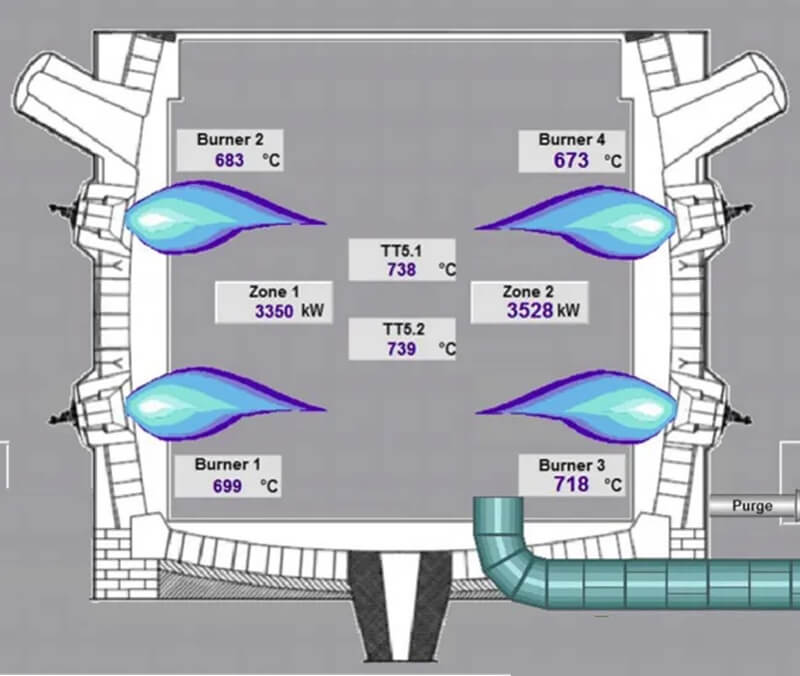
Energy costs are a significant expense in the scrap aluminum recycling process, accounting for approximately 15%-25% of the total cost.
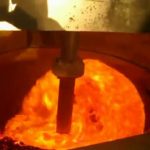
Major energy consumption is concentrated in the melting and refining stages, using energy sources such as natural gas, electricity, and coal.
Energy price fluctuations and the energy efficiency of production equipment significantly impact energy costs.
Old melting equipment consumes a lot of energy, significantly increasing energy costs.
However, adopting advanced energy-saving technologies and equipment can effectively reduce energy consumption and costs.
2.3 Equipment and Maintenance Costs
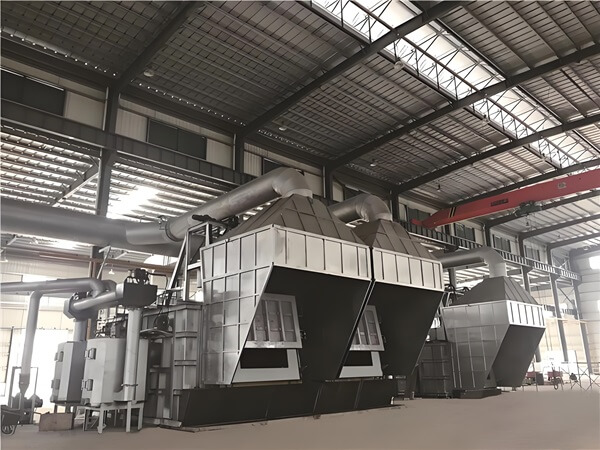
The purchase, installation, and subsequent maintenance of production equipment are also significant costs, accounting for approximately 10%-15% of the total cost.
Advanced scrap aluminum recycling equipment, such as efficient melting furnaces and intelligent sorting equipment, is expensive.
At the same time, equipment gradually wears out during use, requiring regular maintenance and repairs, which also increases costs.
Furthermore, equipment depreciation is also included in the product cost.
2.4 Labor Costs
Labor costs encompass salaries, benefits, and other expenses for employees involved in every aspect of a company’s operations, from scrap aluminum recycling and processing to sales.
They account for approximately 5%-10% of total costs.
With shifts in labor market supply and demand and increasing demands for talent, labor costs are on the rise.
Highly qualified technical and management talent is crucial for improving production efficiency and ensuring product quality, but this also increases labor costs.
2.5 Environmental Costs
With increasingly stringent environmental protection requirements, environmental costs are gradually increasing as a proportion of scrap aluminum recycling companies’ costs.
Environmental costs include the purchase and operation of environmental protection equipment, pollutant treatment costs, and environmental monitoring fees.
Companies need to invest in sewage treatment facilities and waste gas purification equipment to ensure that wastewater, waste gas, waste residue, and other pollutants generated during production meet discharging standards.
If environmental protection measures are not in place, companies may face fines, production suspensions, and other risks, further increasing operating costs.
2.6 Other Costs
In addition to the major costs listed above, other costs include transportation costs, administrative expenses, and selling expenses.
Transportation costs are related to the distance and method of transportation of the scrap aluminum raw materials and products.
Administrative expenses cover administrative and office expenses for daily operations.
The selling expenses include expenses related to product promotion and market development.
Although these costs account for a relatively small proportion of total costs, they are not negligible and have a significant impact on the company’s profitability.
3. Cost Control Measures
3.1 Optimizing Raw Material Procurement and Management
Expand Procurement Channels: Companies should actively expand their scrap aluminum procurement channels and establish long-term, stable partnerships with multiple suppliers to avoid over-reliance on a single supplier.
Participating in industry exhibitions and online procurement platforms can broadly gather information on scrap aluminum resources, broaden procurement options, and ultimately secure more favorable prices and transaction terms.
Establish a Supplier Evaluation System: Establish a scientific supplier evaluation system to comprehensively assess suppliers’ scrap aluminum quality, price, delivery time, and reputation.
Regularly assess suppliers, eliminate unqualified suppliers, and incentivize high-quality suppliers to provide better products and services, ensuring a stable supply and quality of raw materials.
Strengthen Procurement Plan Management: Develop a reasonable procurement plan based on the company’s production plan and market demand forecasts.
Avoid blind purchases that lead to inventory backlogs and tie up significant capital; also prevent under-purchases that impact production continuity.
Utilize advanced inventory management methods, such as the Economic Order Quantity (EOQ) model, to determine optimal procurement quantities and timings, thereby reducing inventory costs.
Improve Scrap Aluminum Inspection Capabilities: Strengthen internal scrap aluminum inspection capabilities and equip them with specialized inspection equipment and personnel.
The quality of scrap aluminum is strictly inspected during the procurement process to ensure that the purchased scrap aluminum meets production requirements and reduce production losses and cost increases caused by raw material quality problems.
3.2 Improving Energy Efficiency
Equipment Upgrades: Eliminate outdated, energy-intensive production equipment and introduce advanced, energy-saving equipment.
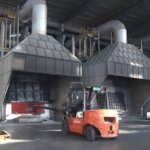
For example, adopting highly efficient and energy-efficient melting furnaces, such as regenerative melting furnace, electromagnetic induction melting furnaces, and aluminum chip side well vortex stirring furnace, can significantly reduce energy consumption compared to traditional melting furnaces.
These new melting furnaces improve energy efficiency and reduce energy waste through technical measures such as optimized furnace structure and improved combustion methods.
Optimizing Production Processes: Optimize the scrap aluminum recycling process, rationalize production processes, and reduce unnecessary energy-consuming links.
For example, during the melting process, precisely control the melting temperature and time to avoid overheating.
Implement waste heat recovery technology to recycle waste heat generated during the melting process and reuse it for preheating scrap aluminum raw materials or other production processes, thereby improving overall energy utilization.
Energy Management System Development: Establish an energy management system to monitor the company’s energy consumption in real time.
Through data analysis, identify key energy consumption points and waste sources, and formulate targeted energy-saving measures.
At the same time, the energy management system is used to carry out refined management of energy use to achieve rational allocation and efficient utilization of energy.
3.3 Equipment Management and Maintenance Optimization
Equipment Selection and Configuration: When selecting equipment, fully consider factors such as cost-effectiveness, production efficiency, energy consumption, and ease of maintenance.
Select equipment with reliable quality, advanced performance, and low maintenance costs to avoid frequent repairs and replacements due to equipment quality issues, which increase costs.
Rationally allocate equipment based on the company’s production scale and process requirements to ensure that equipment meets production needs while avoiding idle equipment and waste of resources.
Preventive Maintenance Plan: Develop a comprehensive preventive maintenance plan for equipment and conduct regular inspections, maintenance, and repairs.
Preventive maintenance can promptly identify potential equipment problems and address them proactively, avoiding production interruptions caused by sudden equipment failures and reducing repair costs and production losses.
The maintenance plan should include daily equipment inspections, scheduled maintenance, and replacement of wearing parts, and should be strictly implemented.
Equipment Maintenance Personnel Training: Strengthen training for equipment maintenance personnel to improve their technical skills and maintenance capabilities.
Regularly organize maintenance personnel to participate in professional training courses and technical exchange activities to learn advanced equipment maintenance techniques and methods.
At the same time, maintenance personnel are encouraged to engage in technological innovation, explore more effective equipment maintenance methods, and reduce maintenance costs.
Equipment Updates and Upgrades: Equipment should be updated and upgraded as appropriate based on its age, technological developments, and production needs.
Equipment updates and upgrades can improve equipment performance and production efficiency, while reducing energy consumption and maintenance costs.
For example, upgrading old sorting equipment to intelligent systems can improve sorting accuracy and efficiency while reducing labor costs.
3.4 Rationally Control Human Resource Costs
Optimize Human Resource Allocation: Positions are scientifically and rationally assigned based on the company’s production and operational needs, with clear job responsibilities and workflows.
Through job analysis and job evaluation, determine the number of personnel and skill requirements for each position to avoid redundancy.
At the same time, strengthen collaboration and communication between positions to improve work efficiency and maximize the effectiveness of human resources.
Employee Training and Development: Strengthen employee training to enhance their professional capabilities and overall quality.
Through training, employees master advanced production technologies and management methods, improving work efficiency and product quality.
At the same time, provide employees with excellent career development paths, motivating them to continuously improve themselves and achieve mutual development for both individuals and the company.
Improving employee capabilities helps companies improve production efficiency and reduce costs, while also strengthening employees’ sense of belonging and loyalty to the company and reducing turnover.
Performance Appraisal and Incentive Mechanism: Establish a scientific and rational performance appraisal and incentive mechanism, closely linking employee compensation and promotion to work performance.
Through performance appraisal, reward outstanding employees and penalize those who underperform, thereby stimulating employee enthusiasm and initiative.
Incentive mechanisms can take various forms, such as bonuses, equity, honorary titles, etc., and can be reasonably set up according to employee needs and the actual situation of the enterprise.
3.5 Reducing Environmental Costs
Application of Clean Production Technologies: Adopting clean production technologies reduces pollutant generation at the source.
For example, in the pre-treatment of scrap aluminum, advanced degreasing, rust removal, and paint stripping technologies are used to reduce the organic matter and heavy metal content in wastewater.
During the melting process, melting processes are optimized to reduce emissions of pollutants such as sulfur dioxide and nitrogen oxides in exhaust gas.
The application of clean production technologies reduces the difficulty and cost of pollutant treatment while also complying with environmental protection policies.
Optimization and Upgrading of Environmental Protection Equipment: Optimize and upgrade environmental protection equipment to improve its treatment efficiency and operational stability.
Regular maintenance and servicing of environmental protection equipment ensures proper operation.
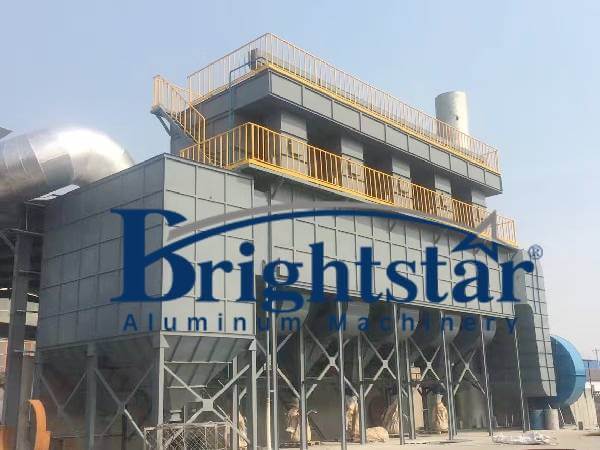
For example, the application of Impulse Off-Line Baghouse Dust Collector can achieve emission standards of 30mg/m³.
Technical upgrades are implemented in exhaust gas purification equipment, using more efficient filter materials and purification processes to improve exhaust gas treatment effectiveness.
Upgrading wastewater treatment equipment enables wastewater recycling, reducing water waste and pollutant emissions.
Environmental Management System Development: Establish a comprehensive environmental management system to strengthen the organization, coordination, and oversight of environmental protection work.
Formulate environmental management systems and operating procedures to clarify the responsibilities and tasks of each department and personnel in environmental protection work.
Strengthen environmental training to enhance employee environmental awareness and operational skills.
At the same time, actively communicate and coordinate with environmental protection departments to stay abreast of environmental policy developments, ensure that the company’s environmental protection efforts comply with relevant requirements, and avoid fines and other costs incurred due to environmental violations.
3.6 Other Cost Control Measures
Transportation Cost Control: Rationally plan transportation routes for scrap aluminum raw materials and products and select appropriate transportation methods.
Based on transportation distance and cargo volume, comprehensively consider the advantages and disadvantages of road, rail, and water transportation, and select the lowest-cost and most efficient transportation option.
At the same time, establish long-term partnerships with transportation companies to secure more favorable transportation rates.
Optimize cargo loading methods, increase vehicle loading rates, and reduce unit transportation costs.
Administrative Expense Control: Strengthen internal management, optimize management processes, and reduce unnecessary administrative steps and expenses.
Strictly control administrative expenses such as office expenses, travel expenses, and meeting fees, and promote economical office practices.
Improve management efficiency and reduce administrative costs through information technology.
For example, implement office automation systems to digitize document transfer and approval processes, reducing paper consumption and labor costs.
Sales Expense Control: Develop reasonable sales strategies to enhance product market competitiveness and reduce sales expenses.
Intensify market research to understand market demand and competitor situations, and accurately position product markets.
By improving product quality, optimizing product performance, and providing high-quality after-sales service, we aim to establish a positive corporate brand image, enhance product awareness and reputation, and reduce advertising and other sales expenses.
At the same time, we optimize sales channels, reduce intermediaries, and lower sales costs.
4. Case Analysis
Take a large scrap aluminum recycling company as an example.
After implementing cost control measures, the company’s cost structure and operating efficiency underwent significant changes.
Before implementing these cost control measures, the company faced problems such as high raw material procurement costs, high energy consumption, frequent equipment maintenance, and rising environmental protection costs, resulting in weak profitability.
Specifically, raw material costs accounted for 70% of total costs.
Due to a single procurement channel, scrap aluminum prices were higher than the market average.
Energy costs accounted for 20% of total costs.
Outdated smelting equipment consumed high energy consumption and had low energy efficiency. Equipment maintenance costs accounted for 12% of total costs.
Due to severe equipment aging, frequent failures, and high repair costs, they accounted for 5% of total costs.
With increasing environmental protection requirements, the cost of operating environmental protection equipment and pollutant treatment continued to rise.
To improve its operating performance, the company implemented a series of cost control measures:
1. Optimizing Raw Material Procurement and Management:
They expanded procurement channels, established partnerships with multiple scrap aluminum suppliers, and reduced procurement prices through bidding.
They established a supplier evaluation system and rigorously assessed suppliers to ensure consistent raw material quality.
They strengthened procurement planning management and utilized inventory management software to rationally control inventory levels and reduce inventory costs.
Through these measures, raw material costs were reduced by 10%.
2. Improving Energy Efficiency:
They invested in an advanced regenerative melting furnace to replace the outdated reverberatory furnace, reducing energy consumption by 30%.
They optimized production processes and implemented waste heat recovery technology, utilizing waste heat from the melting process to preheat the scrap aluminum, further improving energy efficiency.
The proportion of energy costs to total costs decreased to 14%.
3. Optimizing Equipment Management and Maintenance:
They developed a detailed preventive maintenance plan for equipment, conducting regular inspections and maintenance, significantly reducing equipment failure rates and reducing repair costs by 40%.
They also upgraded and renovated key equipment to improve performance and production efficiency, reducing equipment maintenance costs to 8% of total costs.
4. Human Resource Cost Control:
Optimize human resource allocation, streamline management structures, and reduce redundant personnel, and strengthen employee training to improve employee skills and work efficiency.
They established performance appraisal and incentive mechanisms to stimulate employee enthusiasm.
While human resource costs accounted for 7% of total costs, employee efficiency and work quality improved significantly.
5. Reduce Environmental Protection Costs:
Adopt clean production technologies to reduce pollutants in the pre-treatment and smelting of scrap aluminum.
Upgraded environmental protection equipment to improve treatment efficiency and achieve partial recycling of wastewater and exhaust gas.
Environmental protection costs accounted for 3% of total costs.
6. Other Cost Control:
Rational transportation route planning and long-term cooperation agreements with transportation companies reduced transportation costs by 15%.
Strengthen overhead control and optimize management processes, reducing administrative expenses such as office expenses by 20%.
Reduce advertising and promotional expenses by improving product quality and brand awareness, resulting in a 10% reduction in sales expenses.
Through the implementation of these cost control measures, the company reduced total costs by 18%, increased its profit margin from 5% to 12%, and significantly enhanced its market competitiveness.
At the same time, the company’s environmental protection level has been improved, achieving a win-win situation in economic and environmental benefits.
5. Conclusion
Cost control in the recycling and grade-preserving process of scrap aluminum is a systematic project, encompassing multiple aspects, including raw material procurement, energy utilization, equipment management, human resources, and environmental protection.
By adopting a comprehensive approach, including optimizing raw material procurement and management, improving energy efficiency, optimizing equipment management and maintenance, rationally controlling labor costs, reducing environmental costs, and other cost control measures, companies can effectively reduce production costs, enhance market competitiveness, and achieve sustainable development.
At the same time, the government and industry associations should strengthen policy guidance and the development of industry standards to promote the healthy development of the scrap aluminum recycling industry, efficient resource recycling, and environmental protection.
Each company should develop a cost control strategy tailored to its specific circumstances, continuously review experiences, and continuously improve to adapt to market changes and industry development needs.
More Information I Want To Know
 Energy consumption analysis and energy saving measures in melting process
- Top 17 Aluminium Industry Blogs To Follow in 2021
- How to polish aluminum to get shiny surface?
- Part two: Coarse grain zone, Aluminum alloy extrusion defect analysis and quality control method
- Aluminium dross processing technology innovation and development
- Aluminum Die Casting Alloy A380