
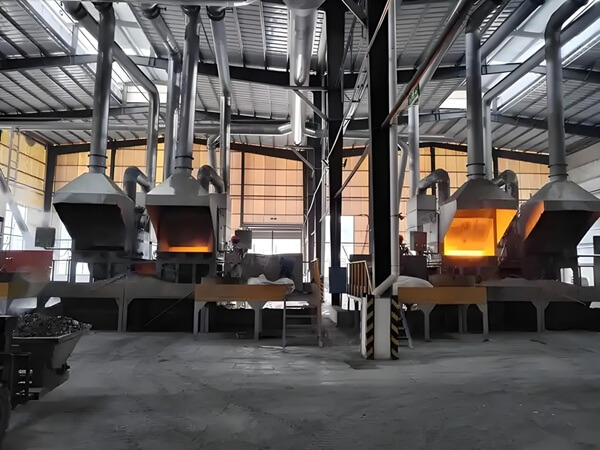
How do I recovery aluminum from the dross?
How do I recovery aluminum from the dross?
There are several established and emerging technologies for recovering aluminum from dross, primarily categorized into pyrometallurgical (thermal), hydrometallurgical (chemical leaching), and physical separation methods.
The below summarizes the core characteristics of these major recovery routes:
Pyrometallurgical
Key Process Description: Melting dross at high temperature to recover molten metal.
Key Characteristics: High metal recovery; mature technology; can involve salt flux which creates hazardous salt slag.
Salt-Free Thermal:
Key Process Description: Thermal processing without salt flux (e.g., plasma furnaces).
Key Characteristics: Avoids hazardous salt slag; more environmentally friendly; can be energy-intensive.
Hydrometallurgical
Key Process Description: Using aqueous solutions to leach and recover aluminum compounds.
Key Characteristics: Can produce various chemicals (e.g., alumina, hydrogen); avoids high temperatures; may involve multiple process steps.
Physical Separation
Key Process Description: Using mechanical means (e.g., crushing, screening, milling) to liberate and concentrate metallic aluminum.
Key Characteristics: Simpler process; no chemicals or high melting; recovery efficiency can be limited by fineness of metal droplets.
Pyrometallurgical and Thermal Processes
These methods rely on heat to separate and recover metallic aluminum.
Rotary Salt Furnace (RSF): This is a conventional industrial process.
Salt flux (a mixture of NaCl and KCl) is added to the dross in a rotary furnace, which melts and creates a protective layer that prevents aluminum oxidation, enhancing metal recovery.
A significant drawback is the production of hazardous salt slag, which requires further treatment and disposal .
Salt-Free Thermal Technologies: Newer processes are being adopted to avoid the environmental issues of salt slag.
These include various furnace designs that melt the dross in an inert atmosphere to prevent oxidation without using salt .
Rotary Plasma Furnace: An advanced salt-free thermal technology.
A plasma torch provides intense heat to melt the dross.
The high temperatures efficiently separate molten aluminum from the oxides, which are removed as slag.
This method is noted for reducing energy consumption compared to some traditional methods
Aluminum dross machine: It is designed on the basis of the difference in physical properties and specific gravity between the solid materials and liquid materials.
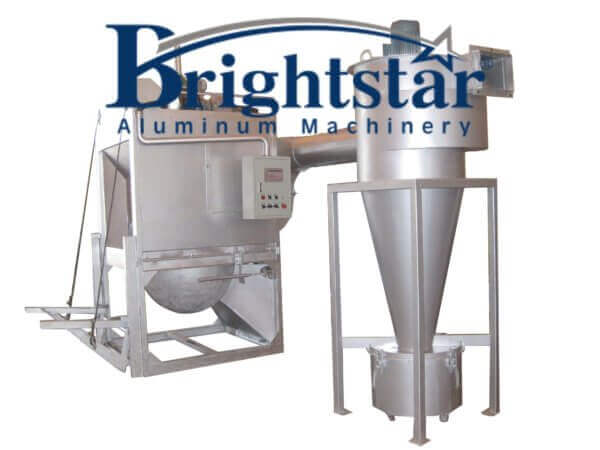
Make full use of the residual heat of aluminum dross generated from the furnace, and mechanical stirring to separate aluminum from the dross.
High recovery rate(about 90%), short working time(6-12 minutes)
This method is a cost-effective method for hot aluminum dross generated from the furnace.
Automatic and simple operation.
Less investment and big profit.
Hydrometallurgical and Chemical Processes
These methods use chemical reactions, typically in aqueous solutions, to recover aluminum in the form of compounds or gases.
The process often involves leaching the dross with water or acidic/alkaline solutions.
This can dissolve compounds like aluminum nitride, yielding aluminum hydroxide or alumina, and sometimes producing valuable gases like ammonia (NH₃) or hydrogen (H₂) .
The resulting solutions can then be processed to precipitate and recover pure alumina (Al₂O₃).
While this route avoids high energy consumption for melting, it can generate wastewater that needs management
Physical Enrichment and Separation
This approach uses mechanical forces to separate metallic aluminum particles from the non-metallic oxide matrix.
Ball Milling and Screening: The dross is ground in a ball mill. Metallic aluminum, being malleable, tends to flatten and coalesce into larger particles, while the brittle oxides become finer.
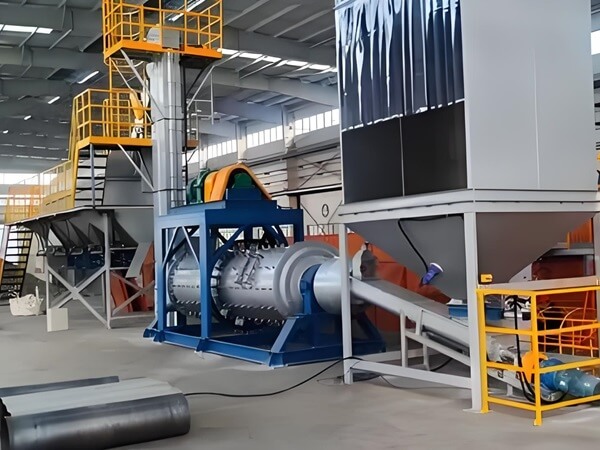
Subsequent screening can then concentrate the metallic aluminum in specific size fractions.
One study achieved a concentrate with 24.51% metallic aluminum from secondary dross using this method .
Rotary furnace for melting aluminum particles: The aluminum particles from the ball mill and screening system can be further processed with the aluminum dross rotary furnace.
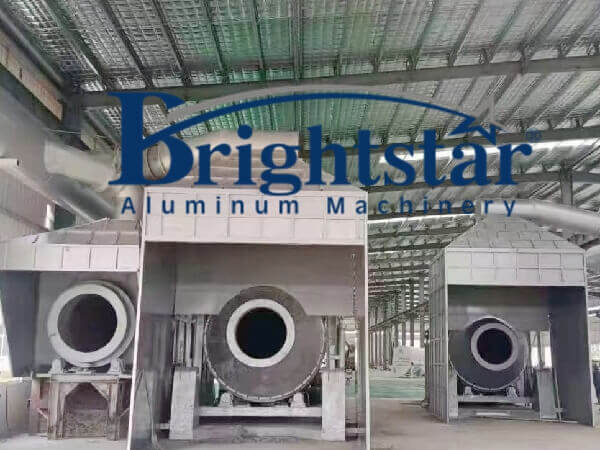
For example, through the rotating of rotary furnace, the temperature will rise, and aluminum liquid can be obtained for the ingot casting or charged into the melting furnace for refining melting.
The choice of the best recovery method depends on factors like the scale of operation, the specific composition of the dross (primary or secondary), economic considerations, and environmental regulations.
More Information I Want To Know
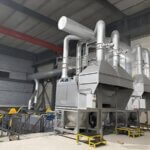 How to reduce energy consumption in aluminum dross utilization process
 Research on aluminum dross processing and hazardous waste utilization
 Introduction of aluminum compound products that can be produced from aluminum dross
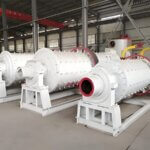 Is a Ball Mill the Best for Aluminium Dross Recycling?
 Aluminum Dross Recovery Machine: Essential for Smelters
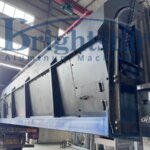 Aluminum dross machine and dross cooler loading for India customer


Comment *we are looking for a company that can recover the Aluminum in 2000 ton of 63 percent Al2O3 powder..The powder is located in Eastern USA.
Thank you for your kind comment
The project quotation can be sent as we get your reply.
Best regards
Brightstar Aluminum Machinery