Aluminum Dross Utilization- Aluminum Extraction Process Flow
Aluminum Dross Utilization- Aluminum Extraction Process Flow
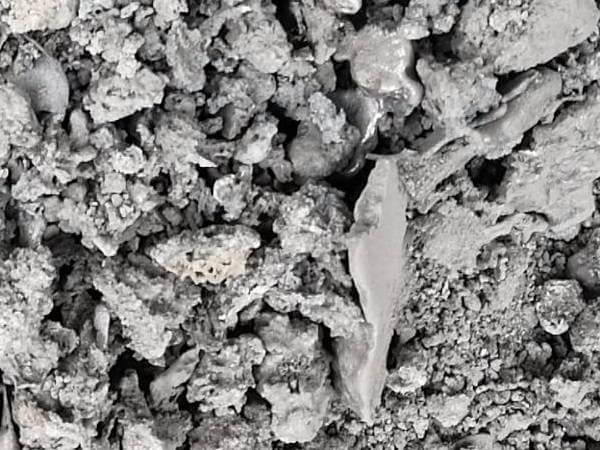
Aluminum dross, as a hazardous waste, is rich in aluminum and harmful substances, and its resource utilization is key to the green transformation of the aluminum industry.
By efficiently recovering metallic aluminum through thermal/cold methods, extracting alumina, and synthesizing high-value materials, the goal is to achieve full-component utilization and harmless treatment, solving pollution problems while creating economic value.
Aluminum dross is a hazardous solid waste generated during aluminum smelting, casting, and processing.
It is rich in metallic aluminum, alumina, and various salts.
Traditional landfill disposal not only wastes resources but also causes serious environmental pollution due to its components, such as soluble fluorides and aluminum nitride (AlN).
With increasing demands for resource recycling and environmental protection, the standardized management and efficient resource utilization of aluminum dross have become crucial for the sustainable development of the aluminum industry.
The following systematically describes the modern processing technology for extracting aluminum from aluminum dross and utilizing all its components at high value.
1. Sources, Characteristics, and Pretreatment of Aluminum Dross
Aluminum dross is mainly produced in primary aluminum production (primary aluminum dross) and aluminum product processing (secondary aluminum dross).
Primary aluminum dross has a high aluminum content (15%-70%), while secondary aluminum dross is rich in alumina and salts.
Its main phases include metallic aluminum, α-alumina, γ-alumina, aluminum nitride (AlN), chlorides, fluorides, and small amounts of other metal oxides.
Pretreatment is a prerequisite for efficient recycling:
Screening and Crushing:
Large impurities are removed by vibrating screening.
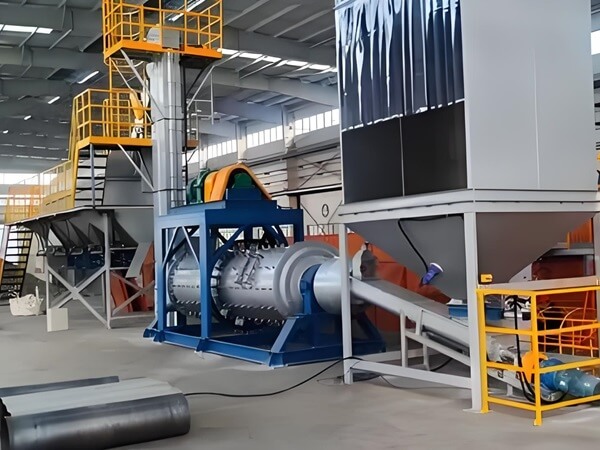
Jaw crushers or ball mills are used to crush the aluminum dross to a suitable particle size, releasing the encapsulated metallic aluminum particles.
Ball Milling and Screening:
Further ball milling separates the aluminum from the slag.
Grading screening (e.g., 40-100 mesh) yields aluminum-rich and aluminum-poor materials.
Aluminum dross Cold Treatment (Optional):
For aluminum dross containing highly reactive AlN, hydrolysis or acidification can be performed first to eliminate the risk of ammonia release upon contact with water, creating safe conditions for subsequent processes.
2. Aluminum Recycling Processes
The core of aluminum recycling lies in the efficient separation and melting of metallic aluminum from aluminum dross.
Mainstream processes include thermal recovery and cold separation.
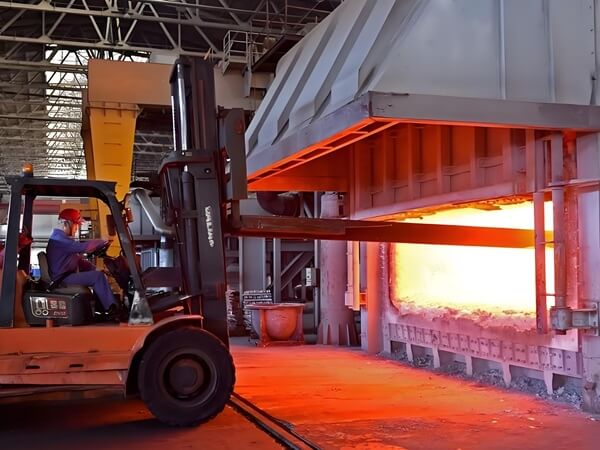
Thermal Recovery (melting Method)
Principle: Utilizing the low melting point of aluminum (660℃), aluminum dross is heated to 700-800℃ in a smelting furnace, causing the aluminum to melt and coalesce.
Process Flow:
Raw Material Preparation and Mixing:
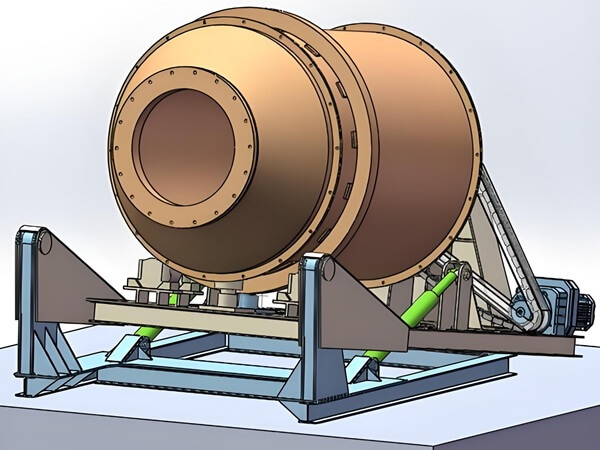
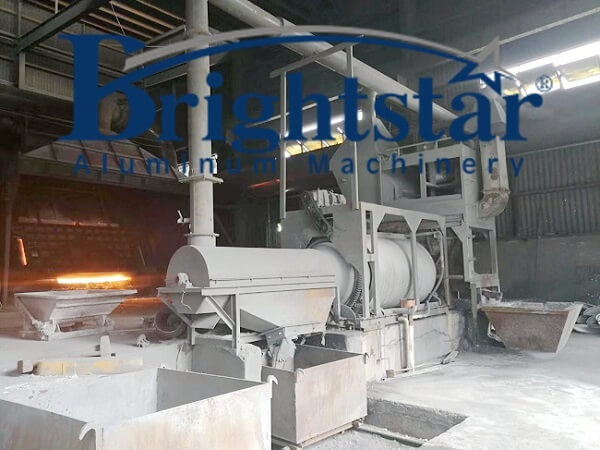
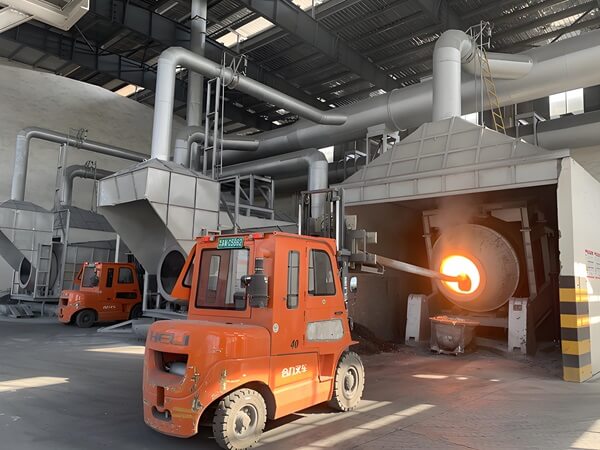
Rotary furnace processing
Pretreated aluminum dross is mixed with an appropriate amount of flux (such as a mixture of NaCl, KCl, and cryolite).
The flux reduces the surface tension of the melt, promotes aluminum droplet aggregation, and provides a protective coating.
The molten aluminum will be obtained through the melting
Aluminum Liquid Separation and Casting:
The molten aluminum is periodically discharged, refined, and impurities removed before being cast into aluminum ingots, achieving a purity of over 95%.
Dross Removal:
The residue remaining after separating the molten aluminum (secondary aluminum dross) proceeds to the next process.
Key Technical Points:
Precise control of temperature and flux ratio is crucial.
Low temperature results in low recovery; too high a temperature accelerates oxidation.
The rotary furnace method allows for continuous production and offers high efficiency.
Cold recovery (physical separation method)
Principle:
Based on the differences in physical properties such as density, electrical properties, and magnetic properties between metallic aluminum and its oxides, this method is suitable for aluminum dross with a high aluminum content.
Main technologies:
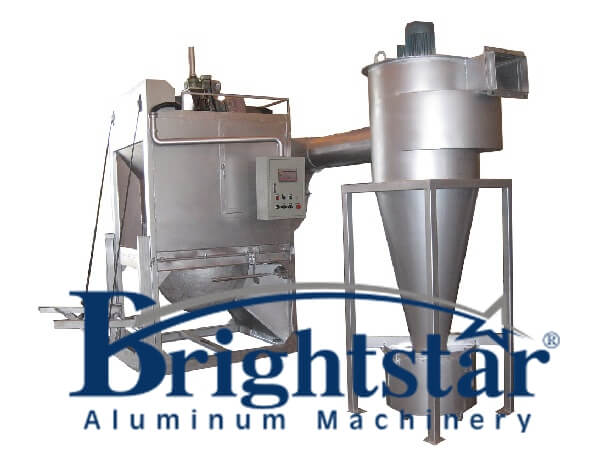
Eddy current separation:
For finely crushed aluminum dross, an alternating magnetic field is used to induce eddy currents in the metallic aluminum, which are then ejected and separated.
This method is highly efficient for separating non-metallic impurities.
Heavy medium separation:
In heavy liquids or suspensions, density differences are used to cause metallic aluminum particles to settle while oxides float.
Characteristics:
Low energy consumption and no secondary pollution, but the metal recovery rate is usually lower than that of thermal methods, and strict particle size requirements are necessary.
3. Resource Utilization of Secondary Aluminum Dross
Secondary aluminum dross or aluminum-poor dross remaining after aluminum extraction is still rich in alumina (Al₂O₃ 50%-70%) and soluble salts, making it a key area for resource utilization.
Wet Metallurgical Extraction of Alumina
Alkali Leaching:
Leaching with NaOH solution dissolves aluminum in the form of sodium aluminate.
After separation from insoluble impurities, CO₂ is introduced or seed crystals are added for hydrolysis, precipitating aluminum hydroxide, which is then calcined to obtain alumina.
The challenge lies in the deep removal of impurities such as silicon and iron.
Acid Leaching:
Leaching with hydrochloric acid, sulfuric acid, etc., yields an aluminum salt solution.
Purification, crystallization, and pyrolysis produce alumina or aluminum salt products.
Acid leaching has high tolerance for impurities, but requires strict equipment corrosion protection.
Ammonium Method:
Utilizing the reaction of ammonium salts with alumina to produce aluminum ammonium vanadium, which is then pyrolyzed to obtain high-purity alumina, resulting in a product with high added value.
Preparation of High Value-Added Materials
Synthesis of Calcium Aluminate:
Secondary alumina dross is mixed with limestone in a specific ratio and calcined at 1300-1400℃ to synthesize calcium aluminate, a raw material for water treatment agents mainly used in steelmaking refining.
This process can solidify harmful elements such as fluorine and is one of the main ways to achieve large-scale waste disposal.
Preparation of Ceramic/Refractory Materials:
Utilizing its high alumina properties, it can be used as a raw material for preparing mullite, corundum refractory materials, or ceramic glazes.
Extraction of Valuable Elements:
For alumina dross containing rare and dispersed metals such as gallium and scandium, it can be enriched and recovered through an acid leaching-extraction-back-extraction process.
Harmless Treatment and Cascaded Utilization
Harmless Treatment:
Reactive AlN and soluble fluoride salts are converted into Al(OH)₃ and NH₃ (recoverable) through hot water washing or steam treatment, and fluorides are converted into stable compounds.
Building Material Utilization:
After harmless treatment, aluminum dross can be used as a cement admixture, roadbed material, or raw material for sintered bricks, achieving large-scale utilization of low-value materials.
4. Integrated Process and Environmental Considerations
Modern aluminum dross resource recovery plants tend towards an integrated design encompassing the entire process: “metal recovery—valuable component extraction—residue utilization in building materials”.
A typical integrated process is: aluminum dross → crushing and screening → thermal/cold aluminum recovery → secondary dross dry or wet aluminum extraction or synthesis of calcium aluminate → residue utilization in building materials.
Environmental protection and safety are paramount:
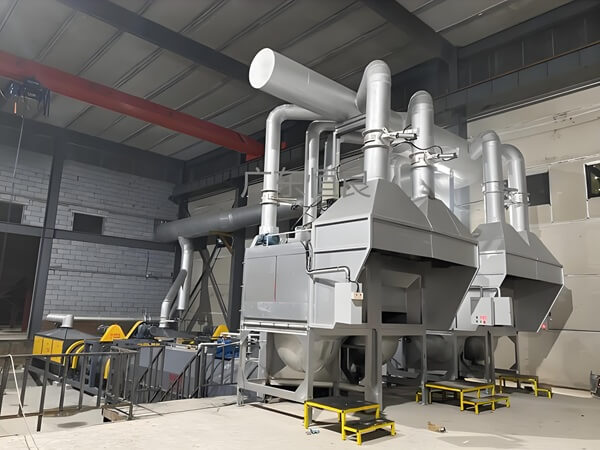
The entire process must operate under closed negative pressure, equipped with a high-efficiency bag filter and wet scrubbing system to control dust and emissions of gases such as NH₃ and HF.
Leachate must be recycled, and final wastewater must be treated to meet standards.
Solid residue must meet the relevant requirements of the “Hazardous Waste Identification Standard” before it can be utilized in building materials.
5. Technological and Economic Efficiency and Prospects
The economic viability of aluminum dross resource utilization depends on the aluminum recovery rate, alumina extraction efficiency, and product added value.
With the inclusion of aluminum dross in the National Hazardous Waste List and the promotion of “waste-free cities,” the cost of compliant aluminum dross disposal is rising, forcing the development of resource utilization technologies.
Future trends include:
Short process and high efficiency:
Developing new one-step methods, such as plasma melting and electrochemical processes for efficient separation of metals and direct synthesis of materials.
High-value deep processing:
Targeted preparation of high-value-added products such as specialty alumina, molecular sieves, and flame retardants.
Intelligent and standardized:
Applying IoT technology to achieve intelligent control throughout the entire process and establishing a standard system from raw materials to finished products.
Aluminum dross has transformed from “hazardous waste” into “urban mining.”
Through systematic pretreatment, multi-path metal recovery, and deep resource utilization, not only can valuable aluminum resources be effectively recovered and environmental risks eliminated, but significant economic benefits can also be created.
This perfectly aligns with the development strategies of circular economy and green manufacturing, providing key technological support for the low-carbon transformation of the aluminum industry and the entire metallurgical industry.
Majored in electromechanical engineering, served in aluminum extrusion for 8 years, aluminum equipment for 16 years, currently working as a sales engineer at Brightstar Aluminum Machinery. Rich experience in aluminum extrusion equipment and melting and dross processing fields.