Study on Aluminum Melt Loss Control and Reduction Methods in Aluminum Melting
Study on Aluminum Melt Loss Control and Reduction Methods in Aluminum Melting
Introduction
As a lightweight core structural material, aluminum is widely used in key industrial fields such as automobile lightweighting, aerospace, rail transportation, new energy equipment, and precision molds due to its low density, high specific strength, excellent thermal conductivity, formability, and recyclability.
In the entire aluminum production industry chain, melting and casting are the core processes that determine product quality and production economy, and the metal aluminum loss rate is a key indicator to measure the company’s technological level, cost control capabilities and green production capabilities.
Industrial production data shows that without optimized working conditions in conventional small and medium-sized aluminum melting and casting enterprises, the comprehensive loss of aluminum melting and casting generally reaches 4% to 8%, and the loss of production lines with extensive processes and frequent scrap remelting can even exceed 10%.
Through high-end production lines with mechanism optimization and refined management and control, the comprehensive aluminum loss can be stably controlled within 2%.
The loss of a large amount of aluminum liquid not only directly results in the waste of raw materials and increases the production cost of a single piece, but also produces a large amount of solid aluminum slag waste, which increases the cost of environmental protection treatment.
At the same time, the increase in oxidation inclusions will worsen the purity of the melt, causing an increase in the defect rate of castings, forming a vicious cycle of “high loss-low quality-high cost”.
The core source of aluminum loss is not simple high-temperature ablation, but a chain reaction of high-temperature oxidation of aluminum liquid into a film, film breakage, slag entrainment, metal inclusion in the slag phase, and secondary oxidation regeneration.
For a long time, most companies have only relied on empirical temperature control and simple slag removal to reduce loss, without solving the essential problem of loss from the thermodynamic and kinetic oxidation mechanism levels, resulting in limited loss reduction effects and large quality fluctuations.
Starting from the basic mechanism of high-temperature oxidation of aluminum liquid, this article systematically analyzes the generation mechanism of aluminum loss in the entire process of melting, standing, transporting, and pouring, and clarifies the core loss causes of oxide film evolution, slagging, aluminum coating, and turbulent secondary oxidation.
It proposes a full-dimensional loss reduction technical solution based on mechanism adaptation for temperature control, atmosphere protection, operating specifications, auxiliary material optimization, and equipment upgrades.
It provides systematic theoretical support and practical process basis for aluminum melting and casting enterprises to achieve low loss, high purity, low cost, and high-efficiency production.
1. Thermodynamic and Kinetic Core Mechanisms of High-Temperature Oxidation of Aluminum
Aluminum exhibits extremely high chemical reactivity and a very high affinity for oxygen, which is the essential intrinsic reason for the continuous loss of aluminum during the smelting and casting process.
A dense oxide film can spontaneously form on the aluminum surface at room temperature.
However, under the high-temperature conditions of smelting, the oxidation reaction rate increases exponentially, accompanied by a series of chain reactions such as oxide film structural distortion, slag breakage and entrapment, and moisture-induced oxidation, ultimately leading to irreversible metal loss.
1.1 Thermodynamic Basis of Oxidation Reaction
The basic oxidation reaction of aluminum with oxygen is: 4Al + 3O2 = 2Al2O3.
This reaction has an extremely low Gibbs free energy and is a completely spontaneously exothermic reaction; the higher the temperature, the stronger the spontaneous tendency.
Alumina (Al2O3) has a melting point of 2050℃~2072℃, far exceeding the melting and casting temperatures of aluminum alloys (650℃~750℃).
Therefore, the oxidation products always exist in a solid ceramic phase, unable to melt into molten aluminum or decompose spontaneously.
This characteristic determines the special form of aluminum oxidation loss: it is not a direct vaporization and loss of metal, but rather the transformation of metal into solid oxide slag, which is then carried away and detached from the melt.
For every unit of alumina generated, a corresponding mass of metallic aluminum is consumed, and the oxide slag continues to carry liquid aluminum, causing an additional loss far greater than the theoretical oxidation amount.
This is the core reason why actual industrial aluminum loss is much higher than the theoretical calculation value.
Simultaneously, the water vapor commonly present in the furnace gas triggers a secondary oxidation reaction: 2Al + 3H2O = Al2O3 + 3H2.
This reaction not only consumes additional aluminum and generates oxide inclusions, but also releases hydrogen atoms, causing the molten aluminum to absorb hydrogen and inducing porosity defects in castings.
This results in a triple hazard of “oxidation loss, gas pollution, and quality defects,” making it a key factor in the surge of aluminum loss under high-temperature and high-humidity smelting conditions.
1.2 Oxide Film Structure Evolution and Loss Kinetics
The morphological evolution of the oxide film on the surface of molten aluminum directly determines the loss rate and magnitude.
Its structure exhibits phased changes with temperature, holding time, and surface disturbance, corresponding to different loss mechanisms: The first stage is the low-temperature film formation and protection period (below 650℃).
During the smelting preheating stage, a nanoscale amorphous/γ-phase alumina film is formed on the surface of the molten aluminum.
The film is uniform, dense, continuous, and has strong adhesion.
The complete film can isolate the molten aluminum from contact with oxygen and water vapor, significantly reducing the oxidation reaction rate.
At this time, the oxidation loss is extremely low, belonging to normal trace losses.
The second stage is the high-temperature film deterioration period (long-term holding above 680℃).
As the temperature increases and the holding time prolongs, the oxide film undergoes a phase transformation, gradually transforming from dense γ-Al₂O₃ to coarser, brittle, and porous α-Al₂O₃.
The film thickness increases dramatically from the nanometer scale to the micrometer scale, generating a large number of microcracks and pores internally, and the dense protective performance completely fails.
Oxygen and water vapor can continuously permeate through the pores, continuously consuming the base aluminum metal, doubling the oxidation loss rate.
The third stage is the disturbance and slag-trapping loss period (mechanical stirring, liquid surface fluctuations, and pouring turbulence).
The brittle, aged oxide film cannot withstand the impact of the liquid surface and fluid shear forces, easily folding, breaking, and detaching.
The broken oxide film fragments are suspended in the molten aluminum, forming double-film oxide inclusions.
Secondary oxidation continues to occur on the surface of the fragments, while the oxide film network structure physically encapsulates a large amount of liquid aluminum, forming an aluminum-slag mixture.
This encapsulated aluminum cannot precipitate on its own and is ultimately completely stripped from the melt during the slag removal process, constituting the most significant source of aluminum loss in industrial production, accounting for over 70% of total losses.
1.3 The Amplification Mechanism of Alloying Elements on Oxidation Loss
Industrially used aluminum alloys often incorporate alloying elements such as magnesium, silicon, copper, and zinc.
Among these, magnesium has the most significant amplification effect on aluminum loss.
Magnesium has a higher oxygen affinity than aluminum, and during high-temperature smelting, it preferentially oxidizes to form loose and porous magnesium oxide and magnesium-aluminum spinel composites.
Unlike dense alumina films, magnesium-based composite oxide films have a loose structure and lack protective properties, failing to prevent furnace gas penetration and continuously accelerating the oxidation reaction of the base aluminum.
Simultaneously, the loose film layer has a stronger ability to trap molten aluminum, significantly increasing slag formation.
Therefore, the smelting losses of Al-Mg rust-resistant aluminum alloys and high-end die-cast aluminum are much higher than those of pure aluminum and ordinary aluminum-silicon alloys, requiring more refined loss reduction processes.
2. Subcategories of Aluminum Losses in the Entire Aluminum Alloy Melting and Casting Process
Based on oxidation mechanisms and actual industrial conditions, aluminum losses in the entire process of aluminum melting and casting can be divided into five categories:
Melting burn-off, holding furnace melt loss, transfer and casting loss, residual aluminum loss in dross, and secondary loss from defective products.
The mechanisms and causes of each type of loss are different.
2.1 Melting Stage: High-Temperature Oxidation and Forced Disturbance Losses
Melting is the process with the highest concentration of aluminum losses, accounting for 50%–60% of total losses.
The core contributing factors are twofold: first, overheating during smelting and prolonged high-temperature holding accelerates the aging and coarsening of the oxide film, continuously increasing the basic oxidation rate;
Second, the violent disturbance of the liquid surface during feeding, stirring, and melting damages the original protective film, causing continuous exposure and oxidation of fresh aluminum liquid.
In conventional production, some companies habitually raise the smelting temperature to over 750℃ to accelerate melting and avoid insufficient pouring temperature, far exceeding the temperature required for alloying processes.
Data shows that for every 30℃ increase in aluminum liquid temperature, the oxidation loss rate increases by 40%–60%; for every hour the high-temperature holding time is extended, the overall loss increases by 0.8%–1.2%.
Meanwhile, the turbulent flow caused by rough manual stirring, large pieces of material directly impacting the liquid surface, and rapid feeding will repeatedly tear the surface oxide film, forming a vicious cycle of “film breaking – exposed oxidation – new film formation – film breaking again”, which will continuously amplify melting losses.
2.2 Holding Stage: Film Thickening and Static Slag Formation Loss
During the refining holding stage, the melt is not violently disturbed, but under high-temperature holding conditions, the aged oxide film continues to thicken, agglomerate, and sink, forming suspended slag and surface slag.
Although the oxidation reaction rate slows down at this time, the loose slag layer continues to absorb water vapor and oxygen, resulting in slow secondary oxidation.
Simultaneously, fine oxide particles continuously agglomerate during holding, increasing the amount of aluminum liquid entrained.
If the holding time is too long, static slag formation loss will accumulate.
Furthermore, improper operation of the refining degassing process also increases losses: excessively high rotary degassing speed and excessive bubble flow rate can impact the liquid surface, tear the oxide film, and exacerbate secondary oxidation and slag entrainment losses.
2.3 Transfer and Casting Stage: Turbulent Flow and Secondary Oxidation Losses
During the transfer of molten aluminum from the melting furnace to the holding furnace and then from the holding furnace to the casting stage, the low drop, turbulent flow in the pipes, and surface rolling are the core causes of losses.
Open transfer and high-level casting lead to large-area and intense contact between molten aluminum and air, completely breaking down the original oxide film and causing the fresh molten aluminum to oxidize instantly, generating a large amount of new oxide slag.
Turbulent casting flow and mold filling can roll the oxide film into the mold cavity, ultimately forming inclusion defects in the casting.
Simultaneously, a large amount of oxide slag remains after the forming process, resulting in a decrease in effective metal utilization.
2.4 Dross Skimming Process: Excessive Dross Skimming and Metal Loss from Dross
Skimming is a necessary process for removing harmful oxide inclusions, but improper dross removal is a key factor artificially amplifying aluminum loss.
Aging oxide dross has a sponge-like network structure, containing 30%–60% liquid pure aluminum.
Excessive, rough dross removal will strip away a large amount of recyclable aluminum from the dross.
Simultaneously, frequent and repeated skimming will continuously damage the newly formed protective film on the liquid surface, leading to secondary oxidation of the exposed aluminum, continuously generating new aluminum dross, forming a vicious cycle of more skimming, more severe oxidation, and higher losses.
2.5 Auxiliary Losses: Scrap Defects and Repeated Melting Losses
When process control is poor, defective castings, gating and riser waste, and cutting slag caused by oxide inclusions, porosity, and looseness need to be remelted.
Each remelting involves a new round of high-temperature oxidation, slag entrapment, and skimming superimposed with secondary and tertiary smelting losses, significantly increasing the overall comprehensive loss rate, a major contributing factor to persistently high losses in mass production.
3. A comprehensive, precise loss reduction technology based on oxidation mechanisms:
Combining the thermodynamic and kinetic mechanisms of aluminum molten oxidation, the core logic of loss reduction is not to completely eliminate oxidation (which is impossible), but rather to retain a dense, original protective film, inhibit film aging and deterioration, prevent film breakage and slag entrapment, and reduce the loss of residual aluminum in the dross, thus cutting off the chain reaction of oxidation losses at the source.
A systematic loss reduction plan is developed for the entire process of smelting, settling, transfer, casting, and slag removal.
3.1 Precise Temperature and Timing Control to Suppress Oxidation Reactions from a Kinetic Perspective
Temperature and the duration of high-temperature operation are the core kinetic parameters determining the oxidation rate and are also the most easily implemented methods for reducing losses.
Minimum effective melting temperatures are determined based on the characteristics of different alloys to prevent overheating:
The melting temperature of ordinary aluminum-silicon alloys (A356, ADC12) is controlled at 700℃~730℃, aluminum-magnesium alloys at 680℃~710℃, and pure aluminum at no more than 720℃, completely abandoning the bad habit of melting at temperatures above 750℃.
The “low-temperature rapid melting, short-time holding, and immediate pouring” process is strictly implemented:
Precise heating during the material preparation stage, and immediate cessation of heating after the material is completely melted and the composition is finely adjusted to meet standards, minimizing the time spent at temperatures above 700℃.
Optimized production scheduling matches the melting and pouring rhythms to avoid prolonged stagnation of molten aluminum in the furnace, directly reducing high-temperature oxidation losses by more than 30%, while also delaying the phase transformation of the oxide film and maintaining a dense protective layer on the surface.
3.2 Standardize Low-Disturbance Operations to Prevent Oxide Film Breakage and Dross Retention
Over 70% of excess aluminum losses in industrial processes originate from secondary oxidation caused by dross retention due to mechanical disturbance.
Therefore, stable, low-disturbance operations are crucial for reducing losses.
A low-level, slow-feeding process is adopted for smelting to avoid large pieces of furnace charge impacting the liquid surface from a height.
During the melting process, a low-speed permanent magnet stirrer replaces the traditional high-speed mechanical stirrer, with the stirring speed controlled within a reasonable range to ensure uniform composition while preventing violent turbulence from tearing the oxide film.
Frequent manual stirring and scraping of the liquid surface are strictly prohibited throughout the process to maximize the protection of the intact, dense original oxide film on the aluminum surface, utilizing the film’s natural insulating effect to inhibit continuous oxidation.
Refining process parameters are optimized; the rotary degassing process uses a low-speed, low-volume, deep degassing mode to prevent bubble impact on the liquid surface from damaging the oxide film.
Ineffective and excessive refining is eliminated, reducing the duration and frequency of melt disturbance.
3.3 Optimizing Covering Agent Protection to Construct an Artificial Protective Barrier
For high-temperature, humid environments and the smelting of highly reactive aluminum-magnesium alloys, relying solely on the original oxide film for protection is insufficient.
A specialized smelting covering agent is needed to construct a dense artificial protective layer, isolating the furnace gas from oxygen and moisture.
The smelting covering agent uses a sodium chloride-potassium chloride-based composite formula, combined with trace amounts of fluoride salt modifiers, with the addition amount controlled at 3–8 kg/ton of molten aluminum.
The covering agent melts at a low temperature on the surface of the molten aluminum, forming a continuous, dense, and extremely low-permeability liquid protective film, completely isolating the molten aluminum from air contact and inhibiting oxidation and hydrogen absorption reactions from the source.
Simultaneously, the modified covering agent can disrupt the network structure of the loose oxide slag, breaking the “cage effect” of the alumina film, allowing the liquid aluminum trapped in the slag to automatically precipitate and flow back into the melt, significantly reducing the residual aluminum content in the slag.
Production practice shows that the standardized use of the covering agent can reduce smelting oxidation losses by 1.5%–2.5%, while the aluminum content in the slag can be reduced from 50% to below 20%, demonstrating a significant loss reduction effect.
3.4 Precise and Intelligent Skimming to Reduce Human-Induced Metal Loss
Based on the structural characteristics of oxide slag, the extensive model of “thoroughly removing and repeatedly removing slag” is abandoned, and a precise and moderate skimming process is implemented.
The core principle of skimming is to remove only thickened, loose, and broken aged harmful oxide slag, retaining a thin but dense new protective film on the surface.
A special lightweight slag removal agent is selected, and through chemical modification, the network structure of the oxide slag is broken, achieving efficient slag-aluminum separation and allowing the entrained aluminum liquid to fully flow back.
The skimming operation follows the principle of “gentle pushing, slow scraping, and minimal repetition,” removing slag completely in one go to reduce the number of times the liquid surface is disturbed and avoid damaging the new protective film and causing secondary oxidation.
At the same time, a quantitative control standard for skimming is established, precisely controlling the amount of slag removed based on the smelting tonnage, settling time, and slag condition, eliminating metal loss caused by ineffective slag removal, and effectively reducing additional losses from slag removal by more than 1%.
3.5 Inert Atmosphere Protected Melting for Ultra-Low Loss Production
For high-precision aluminum alloys used in aerospace and high-end new energy applications, conventional processes cannot meet the requirements for low loss and high purity.
An inert gas-protected closed-loop melting process can be adopted.
By modifying the melting furnace to be sealed, inert gases such as argon and nitrogen are continuously introduced into the furnace by flux feeder to replace the air inside, reducing the oxygen and moisture content to extremely low levels.
This significantly weakens the oxidation reaction tendency of the molten aluminum from a thermodynamic perspective.
Under a sealed inert atmosphere, almost no new oxide slag is generated in the molten aluminum, and the overall melting loss can be controlled within 1.5%.
At the same time, the purity of the melt is greatly improved, and the defect rate of castings is significantly reduced, making it suitable for the production needs of high-end precision aluminum alloys.
3.6 Equipment Upgrades and Retrofits to Adapt to Low-Loss Production Conditions
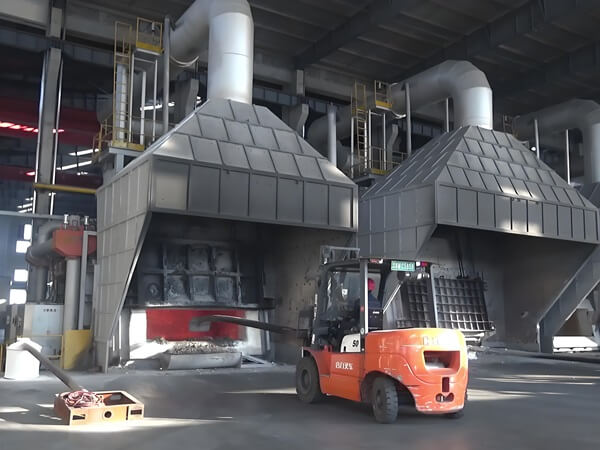
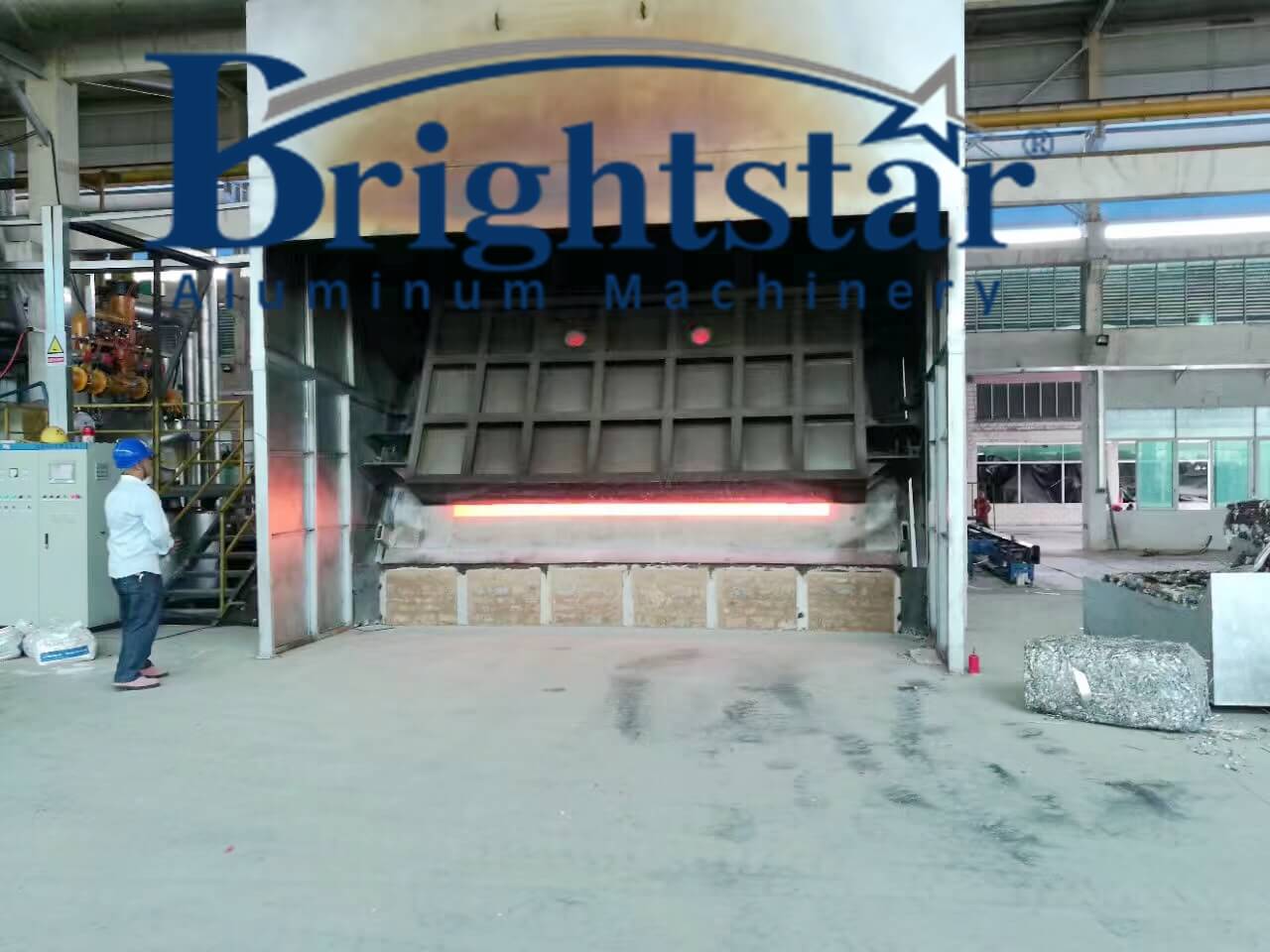
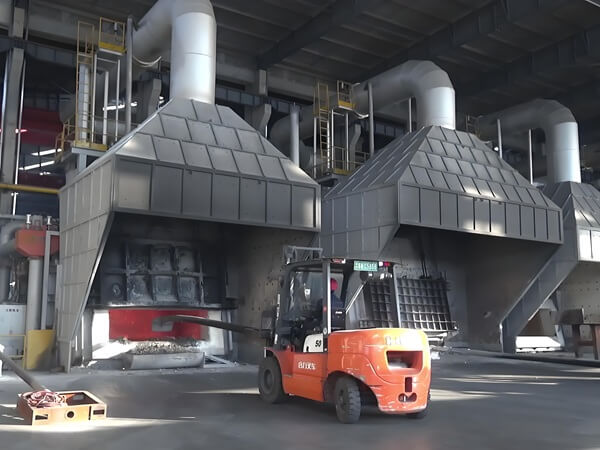
Old open-type melting furnaces suffer from low thermal efficiency, large exposed liquid surface area, and severe oxidation losses.
Equipment upgrades can reduce process losses.
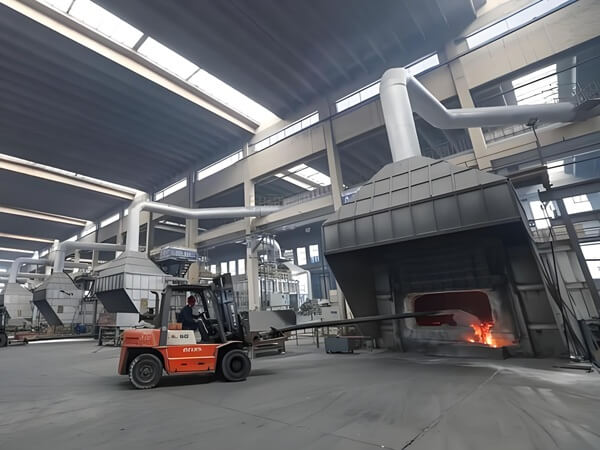
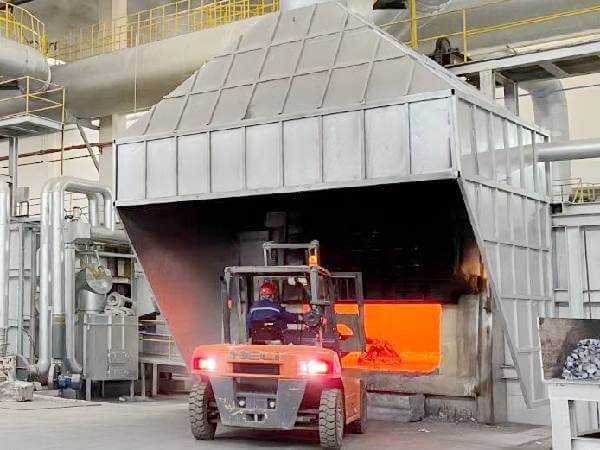
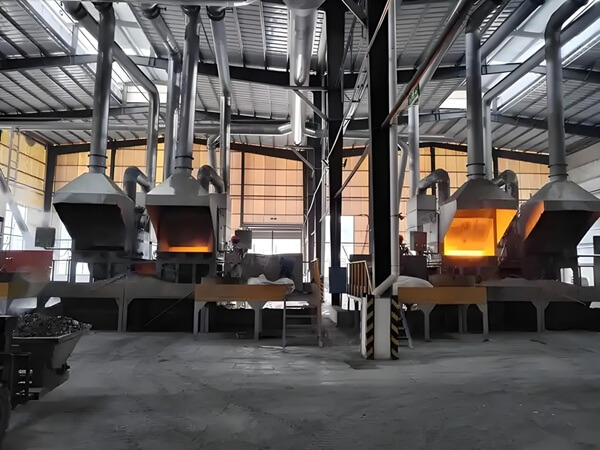
A tower-type continuous melting furnace is preferred, integrating cold material preheating, low-temperature melting, and melt buffering.
The material is slowly heated from top to bottom, with no violent liquid surface disturbance throughout the process, resulting in uniform melting temperature and avoiding localized overheating oxidation.
Compared to traditional crucible furnaces and reverberatory furnaces, this can reduce overall losses by 2%–3%.
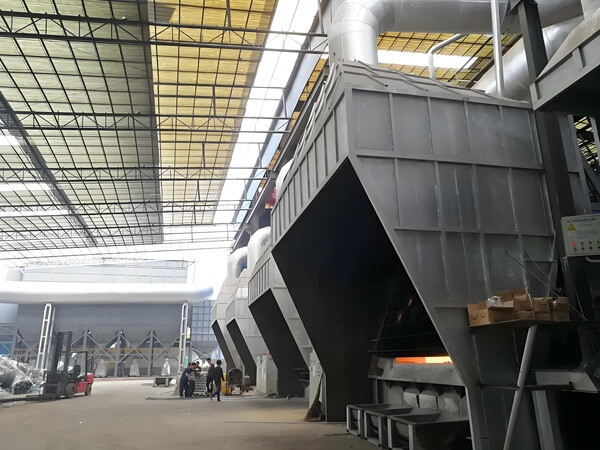
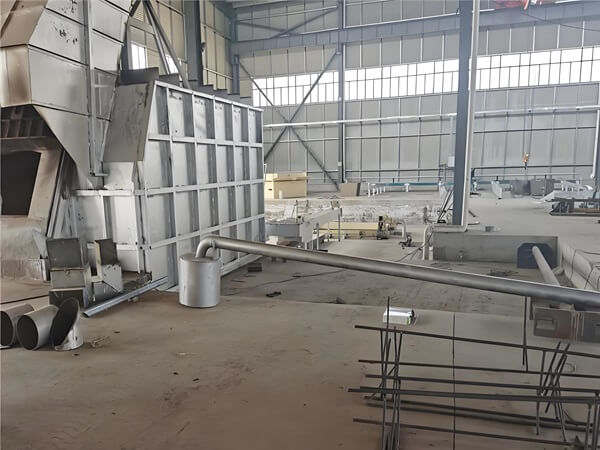
Simultaneously, a sealed transfer channel, a sealed holding furnace, and a filtration and casting system are implemented to reduce the contact area and time between the molten aluminum and air during transfer and casting, suppressing secondary oxidation losses during these stages.
A ceramic foam filtration process is employed to intercept broken oxide film inclusions in the melt in advance, preventing these inclusions from being carried into the mold cavity and causing casting defects and scrap losses.
3.7 Dross Recycling to Recover Hidden Metal Losses
Aluminum dross is the main carrier of aluminum loss.
Refined downstream processing can recover a significant amount of hidden losses.
Traditional, extensive dross dumping results in the inability to recover residual aluminum, leading to permanent waste.
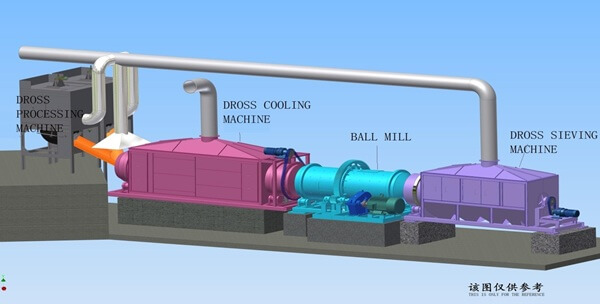
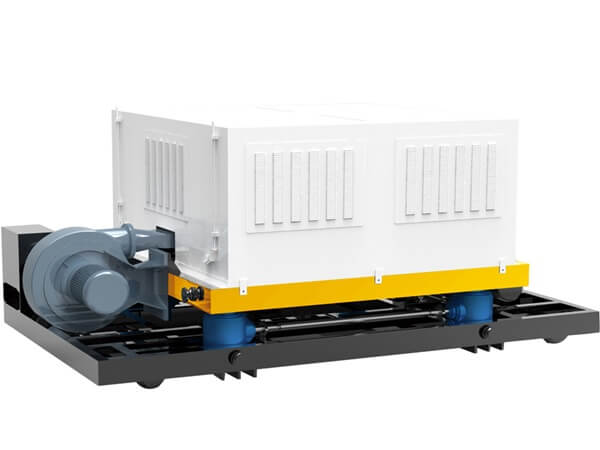
By incorporating dross extraction machine, dross cooling, ball mill and screening, centrifugal aluminum extraction, and remelting recovery processes with rotary furnace, the aluminum dross generated from skimming is specifically treated, extracting residual metallic aluminum with a recovery rate exceeding 90%.
This effectively recovers hidden losses from process losses and improves the overall metal yield.
Simultaneously, optimized closed-loop production management reduces the output of defective products and scrap, lowers the cumulative losses from repeated smelting, and achieves loss reduction and efficiency improvement across the entire production chain.
4. Comprehensive Benefit Analysis After Implementing the Loss Reduction Process
4.1 Significantly Improved Economic Benefits
Through the optimization of the entire process loss reduction technology adapted to the oxidation mechanism, the overall aluminum loss of ordinary aluminum alloy production lines can be reduced from 5%–8% to 2%–3%, while high-end production lines can stably control it within 1.5%.
Taking a company with an annual output of 10,000 tons of aluminum alloy castings as an example, it can reduce metal loss by 300–600 tons annually, directly saving millions of USD in raw material costs.
At the same time, it reduces the output of slag solid waste, lowers environmental disposal costs, and significantly improves production economics.
4.2 Synchronous Optimization of Product Quality
The core of the loss reduction process is to suppress the formation of oxide inclusions and improve melt purity.
While reducing metal loss, it can effectively reduce defects such as porosity, looseness, oxide inclusions, and cracks in castings.
The yield rate of castings can be increased by 3% to 8%, reducing secondary losses caused by rework, scrap, and remelting of defective products, forming a virtuous cycle of “low loss, high quality, and high yield”.
4.3 Upgrading of Green Production Level
Reduced oxidation loss means a significant reduction in slag solid waste and exhaust gas emissions, as well as reduced energy consumption.
This aligns with the development trend of industrial energy conservation, carbon reduction, and green manufacturing, helping enterprises reduce environmental pressure and improve the level of automation, precision, and standardization in production, thus meeting the quality and energy consumption requirements of high-end industrial supply chains.
5 Conclusion and Outlook
The loss of aluminum metal in the aluminum alloy melting and casting process is essentially a chain reaction of losses resulting from the spontaneous thermodynamic reaction of high-temperature oxidation of molten aluminum, compounded by the accelerated kinetics of process disturbances.
A complete and dense original oxide film possesses natural protective value and can inhibit continuous oxidation; however, oxide film aging, breakage, slag entrainment, and aluminum entrapment caused by excessive temperature, excessive time, disturbances, and rough operation are the core causes of excessive industrial aluminum loss.
Reducing aluminum loss cannot rely on single experience-based operations; it must be based on the oxidation mechanism and construct a comprehensive loss reduction system encompassing “temperature control to inhibit oxidation, protective film to prevent slag breakage, precise operation to reduce disturbances, auxiliary materials to separate slag and aluminum, equipment efficiency improvement, and recycling to compensate for losses.”
Through a combination of processes such as precise low-temperature short-time smelting, low-disturbance standardized operation, protective atmosphere with covering agents, intelligent and precise slag removal, upgraded sealed equipment, and refined slag recycling, the chain reaction of oxidation loss can be cut off at the source, maximizing the preservation of the protective oxide film and eliminating harmful slag entrainment losses, thus achieving precise and controllable metal loss.
In the future, with the widespread adoption of advanced technologies such as intelligent temperature-controlled melting, sealed inert protection, automated unmanned casting, and online impurity removal and purification, the oxidation behavior of aluminum alloy melting and casting will be dynamically and precisely controlled, leading to a continuous increase in metal yield.
This will drive the aluminum alloy casting industry towards high-quality development characterized by low loss, high precision, green production, and intelligent manufacturing.
Meanwhile, mechanistic and refined process control models will become key means for aluminum alloy manufacturing enterprises to reduce costs, increase efficiency, and enhance their core competitiveness.
4. Moodispaw, M. P., Cinkilic, E., & Luo, A. A. Thermodynamic Modeling of Solid Flux Interactions with Molten Aluminum[J]. International Journal of Metalcasting, 2024, 18(4): 2846-2852.
5. How to Reduce the Casting Consumption of Aluminum & Aluminum Alloy[EB/OL]. CHAL, 2022-11-17.
Majored in electromechanical engineering, served in aluminum extrusion for 8 years, aluminum equipment for 16 years, currently working as a sales engineer at Brightstar Aluminum Machinery. Rich experience in aluminum extrusion equipment and melting and dross processing fields.