Research on the Whole Process Control and Solution of Aluminum Loss in Aluminum Melting
Research on the Whole Process Control and Solution of Aluminum Loss in Aluminum Melting
Aluminum melting, as a core link in the aluminum processing industry chain, directly determines a company’s production costs, resource utilization efficiency, and level of green development through its aluminum metal loss rate.
In the current macro-environment of capacity optimization, stricter energy consumption control, and fierce market competition in the aluminum industry, reducing aluminum loss in the aluminum melting process is not only a core demand for cost reduction and efficiency improvement for enterprises, but also an inevitable choice for implementing dual-carbon goals and achieving sustainable development.
Aluminum loss in the aluminum melting process exhibits multi-source and complex characteristics, permeating the entire chain from equipment operation, personnel operation, material flow, process execution, aluminum dross treatment, and production management.
This article, based on the actual production of aluminum melting, systematically analyzes the causes of aluminum loss from six dimensions: equipment selection and upgrading, standardized personnel operation, refined material handling, precise process control, aluminum dross resource utilization, and full-process production management.
It constructs a comprehensive, multi-level, and implementable loss reduction and control system, providing theoretical support and practical guidance for aluminum processing enterprises to minimize aluminum loss and maximize metal recovery rates, thus contributing to the high-quality development of the industry.
Keywords:
Aluminum melting and casting; aluminum loss; loss reduction and control; equipment optimization; process control; resource utilization
1. Introduction
Aluminum and aluminum alloys, with their excellent physical and chemical properties, are widely used in aerospace, transportation, building materials, electronics, and many other fields, becoming an indispensable basic metal material for national economic development.
Aluminum melting and casting is a key process that transforms raw materials such as aluminum ingots, scrap aluminum, and intermediate alloys into qualified molten aluminum and cast billets through melting, refining, aluminum dross skimming and casting.
It is also the stage where aluminum metal loss is most concentrated.
Relevant industry data shows that the aluminum loss rate in my country’s traditional aluminum melting and casting process is generally 3%-5%, and in some extensive production enterprises it even exceeds 6%, far higher than the 1.5%-2% level of advanced foreign enterprises.
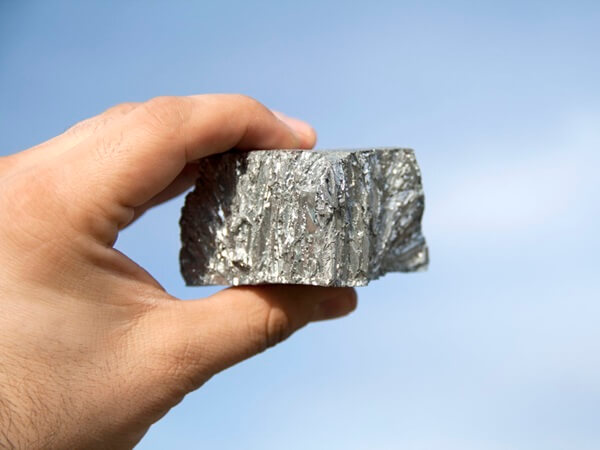
Every 0.1 percentage point reduction in the aluminum loss rate can reduce metal loss by tens or even hundreds of tons annually for large and medium-sized aluminum processing enterprises, directly bringing significant economic benefits.
Currently, the aluminum industry faces multiple challenges such as fluctuating raw material prices, tightening environmental policies, and increased pressure from dual control of energy consumption.
The extensive production management model is no longer suitable for the industry’s development needs.
Aluminum loss during aluminum melting and casting not only wastes primary aluminum resources and increases raw material costs for enterprises, but also generates a large amount of aluminum dross, increasing environmental protection pressure and exacerbating energy consumption.
At its root, aluminum loss is not caused by a single factor, but rather by a combination of problems including outdated equipment selection, non-standard operation, inadequate material pretreatment, uncontrolled process parameters, incomplete aluminum dross recycling, and an imperfect management system.
Therefore, this article breaks away from the limitations of optimizing a single link, adopts a holistic approach to process control, comprehensively analyzes the core causes of aluminum loss in each stage of aluminum melting and casting, and proposes targeted, systematic solutions.
It constructs a full-chain loss reduction model encompassing “source control, process management, end-of-pipe recycling, and management assurance,” promoting the transformation of aluminum smelting and casting production towards refinement, efficiency, and green practices, and effectively enhancing the core competitiveness of enterprises and the sustainable development capabilities of the industry.
2. Core Causes and Distribution of Aluminum Losses in Aluminum Melting
Aluminum losses in the aluminum melting and casting process are mainly classified into four types: oxidation loss, mechanical entrainment, material residue, and aluminum dross loss.
Each type of loss occurs throughout the entire production process.
Specifically, the distribution is as follows:
First, during the melting process, high-temperature molten aluminum reacts with air, generating alumina slag, resulting in oxidation loss, accounting for over 60% of the total loss.
Second, during dross skimming, casting, and transfer, molten aluminum is mechanically entrained by aluminum slag and lost with residual liquid in the casting trough, constituting mechanical entrainment loss.
Third, residual molten aluminum solidifies on the inner walls of equipment such as the furnace body, launder, and molds, forming slag and nodules, causing material residue loss.
Fourth, incomplete aluminum dross treatment results in a large amount of recyclable aluminum metal being entrained in the dross, constituting end-of-pipe loss.
These losses correspond to six key aspects: equipment, personnel, materials, processes, aluminum dross treatment, and production management.
Only by achieving precise control and coordinated efforts at each stage can aluminum loss be fundamentally curbed and metal recovery maximized.
3. Equipment Selection and Upgrading:
Building a Solid Hardware Foundation for Loss Reduction
Equipment is the core carrier of aluminum smelting and casting production. The rationality of equipment selection, operational stability, and process adaptability directly determine the basic level of aluminum loss.
Outdated smelting, transfer, casting, and slag removal equipment will exacerbate aluminum oxidation, residue, and entrainment losses. Therefore, it is essential to eliminate the source of aluminum loss at the hardware level through scientific selection, technological upgrades, and meticulous maintenance.]
3.1 Selection and Upgrading of Melting Equipment
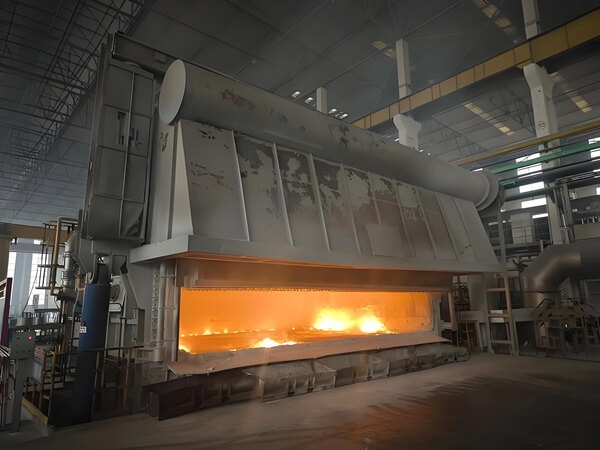
The aluminum melting furnace is the core site of aluminum oxidation loss; its thermal efficiency, sealing performance, and temperature control accuracy directly affect the aluminum loss rate.
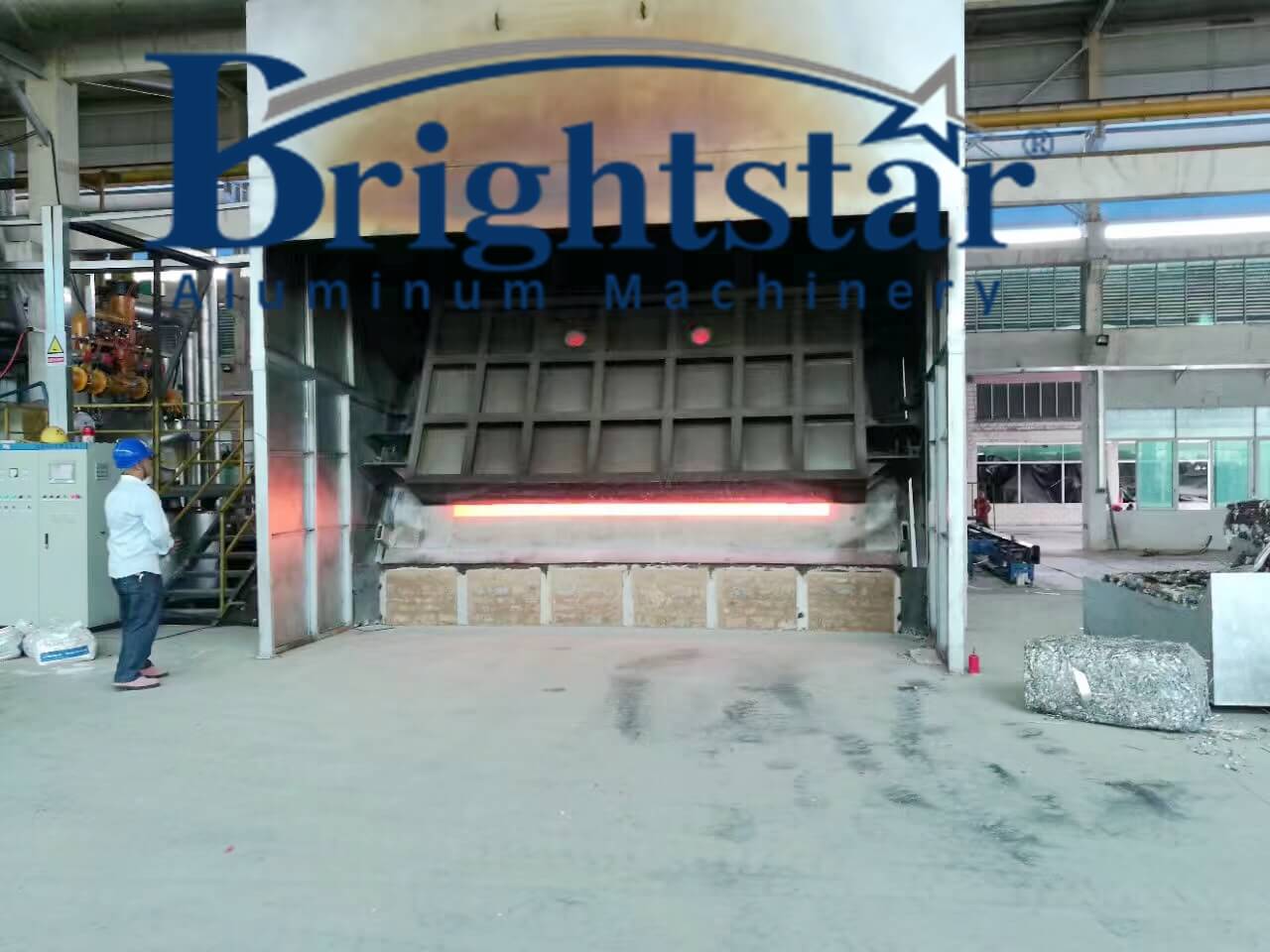
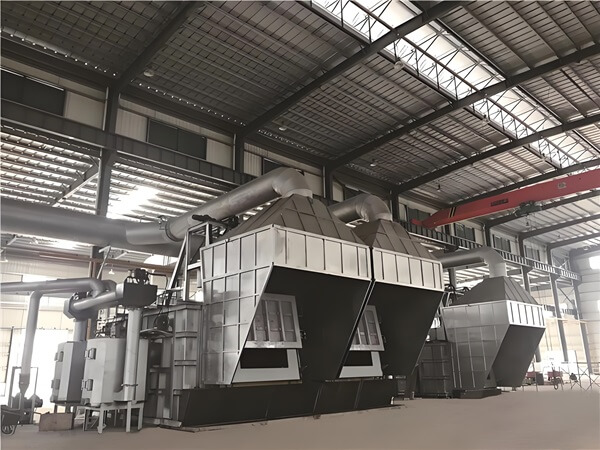
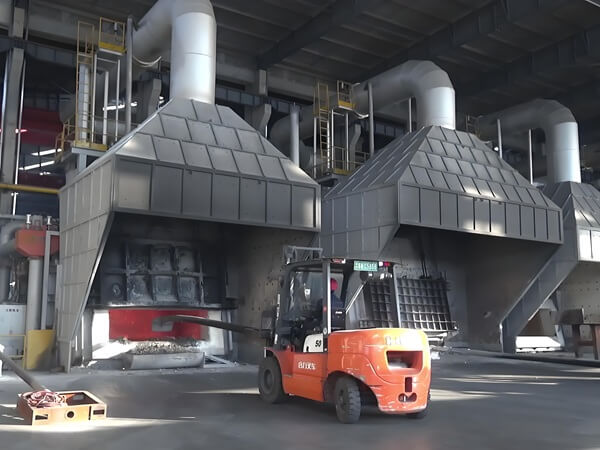
Medium-frequency induction melting furnaces, regenerative gas-fired melting furnaces, and continuous pylon melting furnaces are preferred over traditional open reverberatory furnaces.
Medium-frequency induction melting furnaces can achieve a thermal efficiency of over 80%.
Through electromagnetic induction heating, they provide uniform heating and precise temperature control, enabling rapid melting and shortening the high-temperature residence time of molten aluminum.
Furthermore, their excellent furnace sealing reduces the contact area between molten aluminum and air, resulting in a reduction of aluminum oxidation loss rate by over 20% compared to traditional reverberatory furnaces.
Regenerative gas-fired melting furnaces are equipped with regenerative burners that recover waste heat from flue gas, preheating the combustion air to a high temperature, reducing fuel consumption, and decreasing the oxidizing atmosphere in the furnace, thus inhibiting aluminum oxidation.
Continuous pylon melting furnaces utilize waste heat from flue gas to preheat the furnace charge, enabling continuous feeding and melting, significantly shortening the smelting cycle, avoiding prolonged high-temperature stagnation of molten aluminum, and reducing oxidation loss from the source.
Meanwhile, the furnace lining structure of the smelting furnace is optimized by selecting lightweight, high-temperature resistant, and heat-insulating refractory materials to reduce heat dissipation from the furnace body and reduce temperature fluctuations in the furnace chamber.
A circular furnace chamber design is adopted to eliminate dead corners in the square furnace chamber, ensuring uniform heating of the furnace charge and avoiding local overheating that could exacerbate oxidation.
3.2 Optimization of Transfer and Casting Equipment:
The transfer and casting process of molten aluminum is a critical stage where aluminum is exposed and prone to oxidation and loss.
A closed-loop launder, insulated transfer ladle, and fully automated casting machine replace traditional open-loop flow tanks and manual transfer and casting equipment.
The closed-loop flow launder is equipped with an insulated cover to completely isolate the molten aluminum from air, reducing oxidation within the flow launder and preventing residual liquid loss.
The inner wall of the transfer ladle is made of high-temperature resistant, non-stick aluminum refractory material, with a smooth, corner-free surface to reduce aluminum residue, and is equipped with a sealed cover to prevent air from entering during transfer.
The fully automated casting machine achieves precise quantitative casting, avoiding aluminum splashing and over-casting caused by manual operation, reducing mechanical wear, and shortening the exposure time of the molten aluminum.
3.3 Dross skimming and aluminum dross processing equipment configuration:
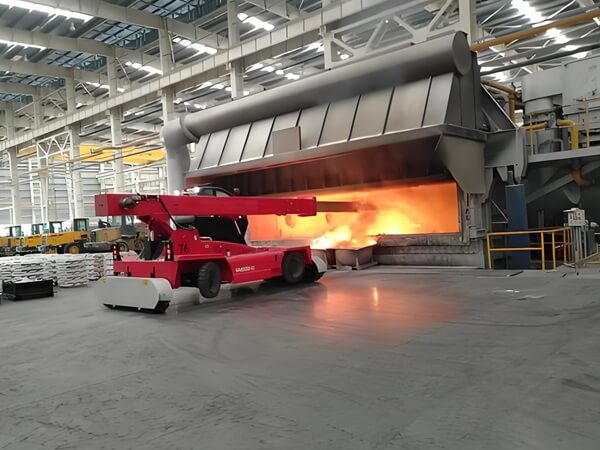
The system abandons traditional manual dross skimming tools and is equipped with a mechanical slag remover, a permanent magnet stirrer, and a hot aluminum dross recovery machine.
The mechanical dross skimmer operates precisely and can quickly remove surface dross, reducing the loss of molten aluminum during the removal process.
The permanent magnet stirrer provides non-contact electromagnetic stirring, eliminating the need to open the furnace door and preventing large amounts of air from entering the furnace during stirring, thus reducing aluminum oxidation and promoting the separation of aluminum slag from molten aluminum, lowering the aluminum content in the slag.
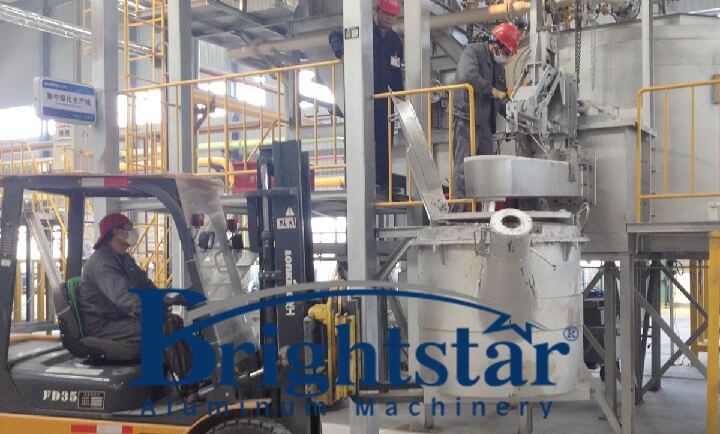
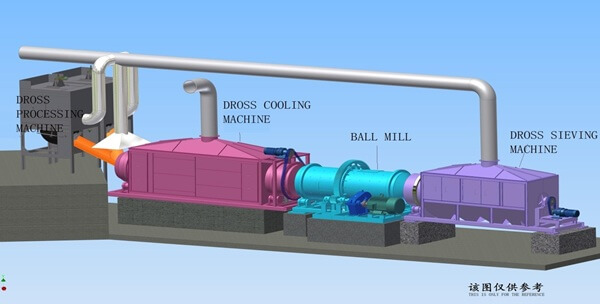
A dedicated aluminum dross processing machine (DPM) enables rapid online processing of aluminum dross, timely recovery of molten aluminum entrained in the dross, and avoids increased difficulty in recovering the aluminum dross after cooling.
3.4 Daily Equipment Maintenance and Management:
Establish a full lifecycle maintenance system for equipment, regularly inspect and clean equipment such as melting furnaces, transfer ladles, launder, and casting machines, promptly remove slag and nodules from the inner walls to avoid cumulative loss of residual aluminum metal;
Regularly test the equipment’s sealing performance, temperature control system, and stirring system to ensure stable equipment operation and prevent problems such as prolonged exposure of molten aluminum and temperature runaway caused by equipment failure;
Upgrade and modify key equipment components, optimize the furnace door sealing structure and ladle slope design to reduce air ingress and molten aluminum residue.
4. Personnel Operation Standards: Strengthen Loss Reduction Process Control
Personnel are the main implementers in aluminum smelting and casting production, and the standardization and professionalism of their operations directly affect the effectiveness of aluminum loss control.
The randomness and lack of standardization in manual operation are direct causes of problems such as aluminum splashing, excessive slag removal, improper stirring, and temperature control failure.
Systematic training, standardized operations, and meticulous assessments are essential to improve personnel’s awareness of loss reduction and their operational skills.
4.1 Establish standardized operating procedures
For key processes such as melting, charging, stirring, refining, skimming, casting, and furnace cleaning, develop detailed and implementable standardized operating procedures (SOPs) that clearly define the operational specifications, key actions, time controls, and parameter requirements for each step.
For example, when charging, follow the principles of “gentle, slow, and layered charging” to avoid vigorous charging that could cause aluminum molten metal to splash and accelerate oxidation;
When stirring, control the stirring speed, depth, and time, using a uniform and slow stirring method to avoid violent fluctuations in the liquid surface that increase the contact area between the aluminum molten metal and air;
when skimming, operate precisely, removing only the loose surface slag to prevent excessive slag removal that could carry away large amounts of aluminum molten metal, and preheat slag removal tools to above 200°C to avoid localized condensation and oxidation caused by low-temperature tools contacting the aluminum molten metal.
4.2 Strengthen professional training for personnel
Establish a training system that combines pre-job training, on-the-job improvement, and regular assessments.
Pre-job training focuses on explaining the causes of aluminum loss in aluminum melting and casting, key points of loss reduction operations, equipment operating procedures, and safety regulations to ensure that operators master core loss reduction skills.
On-the-job improvement uses on-site practical teaching, experience sharing by outstanding employees, and skills competitions to correct non-standard operating habits and improve operational accuracy.
Regularly organize training on process knowledge, equipment maintenance, and environmental management to strengthen the awareness of cost reduction and efficiency improvement and resource conservation among all employees, ensuring that the concept of loss reduction permeates the entire production process.
4.3 Improve the operational assessment and supervision mechanism
Incorporate aluminum loss rate and metal recovery rate into the performance appraisal system for operators, refine the loss reduction assessment indicators for each position, clarify the reward and punishment mechanism, and motivate employees to take the initiative to reduce losses.
Establish an on-site operation supervision team to monitor the standardization of operations in real time through on-site inspections, video monitoring, and other methods, and promptly stop violations.
Establish an operational problem log, and promptly analyze the causes and implement rectification for cases where aluminum loss exceeds the standard due to human operation, forming a closed-loop management of “training-operation-supervision-rectification-improvement”.
4.4 Enhance awareness of job responsibilities
Clarify the loss reduction responsibilities of each position, with melting workers, skimmer, casting workers, equipment maintenance workers, etc., each performing their duties and implementing the responsibility mechanism of “whoever operates, is responsible”.
Strengthen corporate culture construction, establish the concept of resource conservation and lean production, guide employees to pay attention to production details, consciously avoid aluminum liquid loss and waste, and form an atmosphere of loss reduction with full participation and full-process control.
5. Refined Material Handling: Strictly Controlling Losses at the Source
Materials are the foundation of aluminum melting and casting production.
The purity, state, and pretreatment quality of materials directly affect the aluminum burn-off rate and the amount of aluminum slag generated during the smelting process.
Raw materials carrying oil, moisture, and impurities, as well as improper material size and disorderly stacking, will exacerbate aluminum oxidation, increase impurity inclusions, and increase aluminum loss and refining difficulty.
Therefore, it is essential to implement refined material management throughout the entire process to reduce ineffective losses at the source.
5.1 Raw Material Selection and Classification Management
Strictly control the quality of raw materials entering the warehouse, prioritizing the use of primary aluminum ingots and qualified intermediate alloys that are clean, free of oil, moisture, and impurities, and preventing inferior raw materials from entering the furnace;
Recycled waste aluminum, scraps, and substandard aluminum are classified and stored in separate areas according to material, purity, and cleanliness to avoid mixing of different materials and reduce the difficulty of removing impurities in subsequent smelting;
Establish a raw material quality inspection mechanism to test each batch of raw materials to ensure they meet the requirements of the smelting and casting process, reducing aluminum loss caused by impurities from the source.
5.2 Refined Material Pretreatment
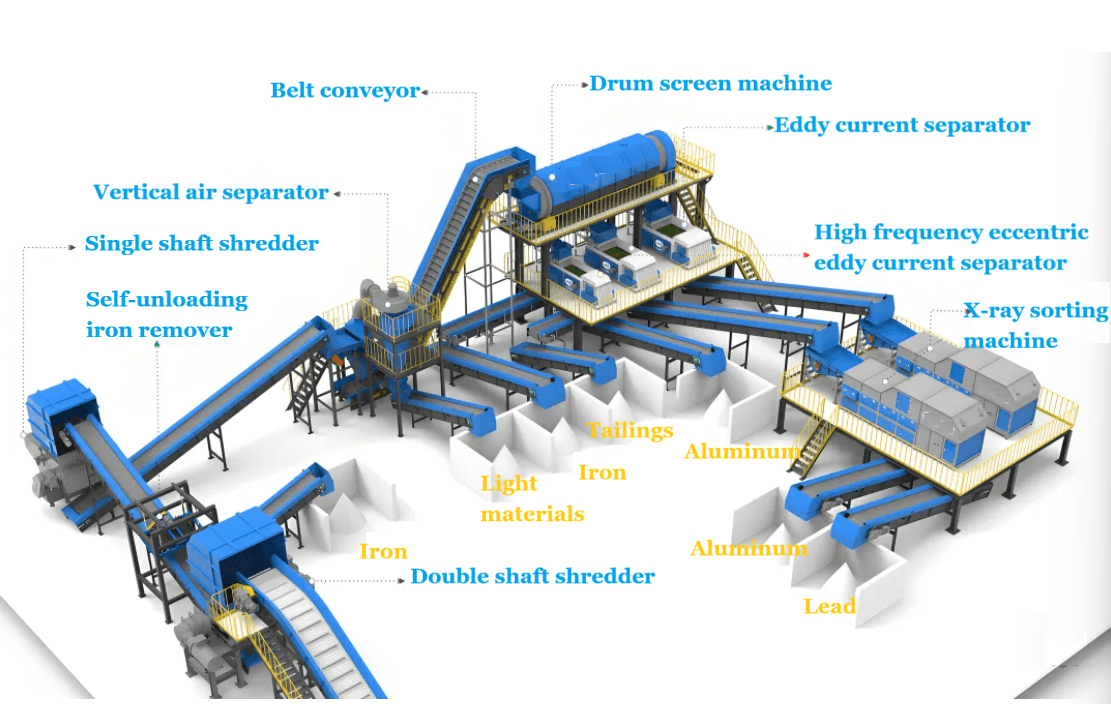
All materials entering the furnace must undergo standardized pretreatment to thoroughly remove surface oil, moisture, dust, rust, and other impurities.
For oily scrap aluminum and offcuts, hot alkaline cleaning and drying are used to prevent the oil from burning in the furnace and producing harmful gases, while also preventing the oil from accelerating aluminum oxidation.
For damp materials, thorough drying and dehydration are performed to prevent moisture from reacting with the high-temperature aluminum, causing splashing and accelerated oxidation.
Large pieces of material are properly crushed to control uniform particle size, avoiding excessively large pieces that prolong melting time and cause localized overheating, or excessively small pieces that increase the oxidation area.
Lightweight scrap aluminum and aluminum shavings are briquetted to reduce oxidation and floating during melting and improve melting efficiency.
5.3 Standardization of the Charging Process
Optimize the charging sequence and speed, following the principles of “large pieces first, then small pieces; clean materials first, then recycled materials; layered charging; and gradual melting.”
In the initial stage of smelting, large clean aluminum ingots are added first to form the basic molten aluminum, followed by the gradual addition of scrap aluminum, intermediate alloys, and other materials to prevent thin scrap from floating and oxidizing directly in the furnace. T
Control the charging speed to avoid a sudden drop in furnace temperature and solidification of the molten aluminum due to a large amount of material added at once, thus extending the smelting cycle.
During the charging process, avoid material impacting the furnace wall and bottom to reduce furnace damage and aluminum splashing, while also preventing material residue at the furnace corners from failing to melt completely.
5.4 Material Storage and Turnover Management
Materials are stored in closed warehouses, kept dry, ventilated, and clean to prevent moisture and contamination.
During material turnover, bumps and spills are prevented to reduce mechanical wear.
Material ledgers are established to accurately control the quantity of raw materials entering, being issued, and consumed, ensuring full traceability of material flow and preventing loss or waste.
Material inventory is rationally controlled to prevent long-term storage leading to rust and contamination, thereby improving material utilization.
6. Precise Process Control: Core Technology Supporting Loss Reduction
Process parameters are the core control indicators in aluminum smelting and casting production.
Loss of control over parameters such as melting temperature, holding time, refining process, atmosphere control, and casting process is the primary cause of aluminum oxidation and burn-off, as well as inclusion loss.
It is essential to optimize process parameters, strengthen process execution, and improve process management based on actual production conditions to achieve precise process control throughout the entire process and minimize aluminum loss.
6.1 Precise Control of Melting Temperature and Time
High-temperature oxidation of molten aluminum is the main form of aluminum loss.
The higher the temperature and the longer the high-temperature residence time, the more severe the aluminum oxidation loss.
Strict control of the melting temperature is crucial.
While ensuring sufficient melting and adequate fluidity of the molten aluminum, a low-temperature melting process should be adopted, maintaining the melting temperature between 710℃ and 740℃ to avoid overheating.
The melting rhythm should be optimized to achieve rapid heating and melting, shortening the high-temperature residence time of the molten aluminum and eliminating prolonged static holding.
A real-time temperature monitoring system should be established, using high-precision temperature measuring equipment to monitor the furnace temperature and molten aluminum temperature in real time, preventing localized overheating and excessive temperature fluctuations.
6.2 Furnace Atmosphere Optimization and Control
By controlling the furnace atmosphere, a reducing or neutral atmosphere is created to reduce the contact between molten aluminum and oxygen, thus inhibiting the oxidation reaction.
This includes rationally controlling the fuel combustion ratio to avoid an excessively strong oxidizing atmosphere in the furnace;
Employing furnace gas sealing technology to reduce the entry of outside air into the furnace;
And uniformly covering the surface of the molten aluminum with a special covering agent to form a dense protective layer, isolating air from contact with the molten aluminum, preventing continuous oxidation of the aluminum, and simultaneously reducing heat loss.

6.3 Optimization of Refining and Slag Removal Process
Refining and dross removal is a crucial step in removing impurities from molten aluminum and achieving aluminum-dross separation.
An unreasonable process can lead to a large amount of molten aluminum entrained in the slag.
This involves selecting high-efficiency, low-consumption, and environmentally friendly refining agents, precisely controlling the amount added based on the purity and impurity content of the molten aluminum to avoid excessive addition and aluminum loss;
Optimizing the refining method by using inert gases (nitrogen, argon) for online refining instead of traditional manual powdering;
Ensuring uniform dispersion of inert gas bubbles for deep impurity removal while avoiding drastic fluctuations in the molten aluminum during refining;
Controlling refining time, gas flow rate, and pressure to maintain the refining bubble height at 10-15mm to prevent excessive surface turbulence;
And allowing the mixture to stand for a certain period after refining to promote full flotation and complete aluminum-slag separation before skimming to reduce the amount of aluminum entrained in the slag.
6.4 Standardization of Skimming Process
Strictly control the timing of skimming.
Skimming should be performed only after the molten aluminum has been fully refined and impurities have completely floated to the surface.
Premature skimming leads to incomplete impurity removal, while delayed slag removal results in aluminum slag being re-mixed into the molten aluminum.
Skimming should be performed gently and precisely, removing only the surface aluminum dross and leaving a thin slag layer on the surface of the molten aluminum to continuously isolate it from air.
Skimming tools should be perforated to allow molten aluminum carried in the dross to flow back into the furnace, reducing aluminum loss with the dross.
Control the frequency of skimming to avoid increasing the exposure time of the molten aluminum and oxidation loss.
6.5 Optimization of Casting Process
Controlling casting temperature and speed, adopting low-temperature rapid casting to shorten the exposure time of molten aluminum to air;
Optimizing the design of the casting runner to reduce bends and drops, avoiding splashing and turbulence of molten aluminum;
Using fully enclosed casting to reduce oxidation of molten aluminum during the casting process;
Precisely controlling the casting volume to avoid over-casting resulting in residue and under-casting leading to defective products, reducing secondary remelting losses.
7. Resource-based Treatment of Aluminum Dross: Unlocking the Potential for End-of-Life Loss Reduction
Aluminum dross is a major byproduct of the aluminum melting and casting process and a core carrier of aluminum metal loss at the end of the process.
Traditional methods of directly selling and extensively stockpiling aluminum dross result in the ineffective utilization of 30%-50% of the recyclable aluminum metal, leading to significant resource waste.
It is imperative to promote online heat treatment, efficient separation, and resource-based recycling of aluminum dross to maximize the extraction of aluminum metal and transform waste into valuable resources.
7.1 Online Hot Treatment of Aluminum Dross
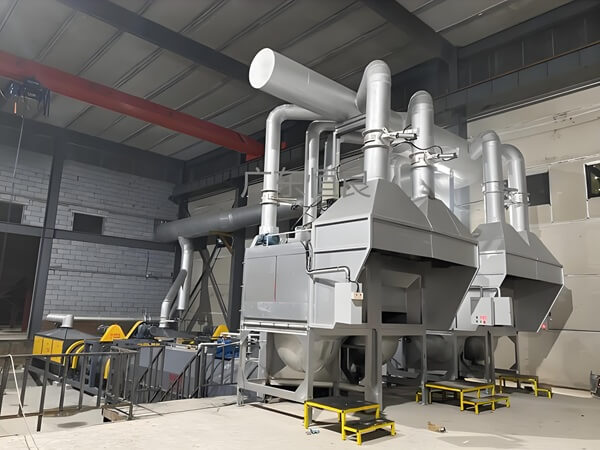
After skimming from the furnace, the aluminum dross is kept at a high temperature and immediately sent to a dedicated aluminum dross machine to prevent it from cooling and solidifying.
An integrated heat treatment process combining mechanical stirring and separating is employed, along with aluminum dross cooling machine for quick cooling to avoid the burning loss, after most of aluminum is extracted from hot aluminum dross by aluminum dross processing machine.
This hot treatment significantly improves aluminum recovery efficiency, achieving a recovery rate of over 90%.
The recovered high-temperature aluminum molten aluminum is directly returned to the melting furnace without secondary heating, reducing energy consumption and secondary oxidation losses.
7.2 Deep Recycling of Cold Aluminum Dross
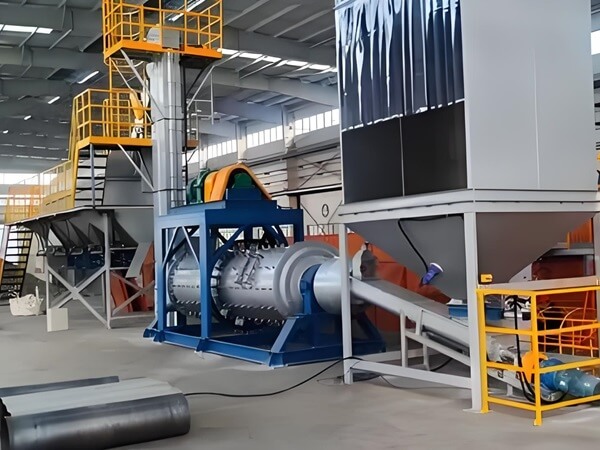
For cold aluminum dross that cannot be processed online, a systematic processing technology of crushing, grinding, screening, and remelting is adopted.
First, the aluminum dross is crushed and refined to separate aluminum granules and blocks from the dross with aluminum dross ball mill and screening system, and then it is remelted with an aluminum dross rotary furnace or crucible melting furnace for recycling.
The remaining waste dross after processing is used as raw material for building materials and auxiliary material for refractory materials for resource utilization, so as to realize the full utilization of aluminum dross and eliminate the waste of aluminum metal residue.
7.3 Standardized Management and Control of Aluminum Dross Treatment
Establish a mechanism for the classified collection, dedicated storage, and management of aluminum dross to prevent its scattering and loss; optimize the aluminum dross treatment process to shorten the time interval between dross tapping from the furnace and processing, reducing heat loss and aluminum oxidation;
Strictly control the aluminum dross treatment process to prevent the arbitrary disposal of molten aluminum and aluminum materials, ensuring that all recyclable aluminum metal is recycled back into production;
Calculate the aluminum recovery rate from aluminum dross and incorporate it into production performance indicators to drive end-stage loss reduction.
8. Production Process Management: Building a Loss Reduction Guarantee System
Production management is the core guarantee for controlling aluminum melting and casting losses.
An imperfect management system, inefficient processes, lax assessments, and unclear data will prevent loss reduction measures from being effectively implemented at each stage.
It is essential to build a refined, systematic, and closed-loop production management system to achieve full-process, all-round, and all-personnel control.
8.1 Establish a Refined Production Control System
Analyze the entire aluminum melting and casting process, establishing a comprehensive control system from raw material warehousing, pretreatment, melting, refining, casting, aluminum slag treatment to finished product warehousing.
Clearly define management responsibilities, control standards, and quality requirements for each stage.
Implement lean production models, optimize production scheduling, and achieve continuous and balanced production to avoid frequent furnace starts and stops that lead to aluminum oxidation, energy waste, and increased aluminum loss.
Coordinate production plans to reduce semi-finished product backlog and secondary recycling, thereby improving production efficiency and metal utilization.
8.2 Improve Data Monitoring and Analysis Mechanism
Establish an aluminum loss data monitoring platform to collect real-time statistics on core data such as aluminum input, finished product output, aluminum slag generation, and aluminum loss rate for each process, furnace batch, and shift;
Establish a data ledger to regularly summarize, analyze, and compare aluminum loss data, accurately identify high-risk links and core causes of aluminum loss, and optimize control measures accordingly;
Through data analysis, formulate scientific and reasonable aluminum loss control targets to gradually reduce the aluminum loss rate.
8.3 Strengthen Coordinated Management of Quality and Cost
Integrate aluminum loss control with product quality and production cost control.
While ensuring product quality, optimize raw material ratios and process parameters to avoid excessive refining and overheating during smelting, which can lead to increased aluminum loss.
Strictly control the defect rate to reduce the loss from remelting defective aluminum, achieving coordinated improvement in quality and cost reduction.
Calculate aluminum loss costs to ensure all employees clearly understand the impact of aluminum loss on corporate profits and strengthen proactive management awareness.
8.4 Improve the supervision, assessment, and continuous improvement mechanism.
Establish a special control team to regularly supervise and inspect the implementation of loss reduction measures at each stage, promptly identify problems, and rectify them.
Establish a graded assessment mechanism for aluminum loss, decompose control targets to each department, team, and position, and directly link them to performance and compensation, strictly implementing rewards and punishments.
Regularly organize loss reduction work summary meetings to review control effectiveness, summarize shortcomings, and continuously optimize equipment, processes, operations, and management measures to form a closed-loop management of “control-monitoring-analysis-rectification-improvement,” continuously improving the level of aluminum loss control.
9. Conclusion
Controlling aluminum loss in the aluminum smelting and casting process is a systematic, long-term, and company-wide task, involving six core aspects: equipment, personnel, materials, processes, waste disposal, and production management.
Optimizing a single aspect cannot fundamentally reduce losses. It is essential to adhere to a holistic approach encompassing “source control, process management, end-of-pipe recycling, and management assurance,” constructing a multi-layered, three-dimensional, and closed-loop loss reduction and control system.
By optimizing and upgrading smelting and casting equipment to solidify the hardware foundation;
Standardizing personnel operations to strengthen process execution;
Refining material pretreatment to strictly control source losses;
Precisely controlling process parameters to suppress oxidation and burn-off;
Utilizing aluminum dross for resource recovery to tap end-of-pipe potential;
And improving production management to provide institutional guarantees, synergistic efforts and precise control across all aspects can effectively reduce aluminum loss rates in aluminum smelting and casting to an advanced level within the industry.
Against the backdrop of high-quality development and the advancement of dual-carbon goals in the industry, aluminum processing enterprises must attach great importance to reducing losses in aluminum smelting and casting.
Supported by technological innovation, employing lean management, and based on full employee participation, they must continuously optimize loss reduction measures and improve resource utilization efficiency.
This will not only effectively reduce production costs and improve corporate economic benefits, but also reduce resource waste and environmental pressure, thus contributing to the green, low-carbon, and sustainable development of the aluminum industry.
In the future, with the continuous upgrading of intelligent and automated technologies in aluminum melting and casting, enterprises can further promote digital management and control, intelligent operation, and fully automated production processes.
This will enable precise and intelligent control of aluminum losses, continuously driving cost reduction, efficiency improvement, and green upgrading of the aluminum melting and casting process, and helping aluminum processing industry move towards a globally advanced level.
Reference:
1. Optimizing molten aluminum supply process parameters for energy saving and aluminum loss reduction[J]. Journal of Materials Processing Technology, 2025.
2.铝加工技术企业. 铝合金铸造损耗控制工艺规范[EB/OL]. 2020-11-11.
3. 胡永杰, 宋赟华. 铝及铝合金熔铸工操作指南[M]. 北京: 机械工业出版社, 2026
4. 李丹丹, 李涛, 王世全. 铝合金熔铸过程中的烧损原因分析和降低烧损的措施[J]. 学术争鸣, 2017(09): 290.
5. 铝加工行业技术组. 铸铝工艺与损耗控制技术手册[EB/OL]. 2025-09-12.
6. 汪洋. 轻有色金属及其合金熔炼与铸造技术工程分析研究[J]. 有色金属(冶炼部分)