Rebirth of Aluminum Dross: Analysis of Multi-Industry Applications of Aluminum Oxide
Rebirth of Aluminum Dross: Analysis of Multi-Industry Applications of Aluminum Oxide
In the past, aluminum dross was commonly used in building concrete, mixed with cement and fly ash as a concrete additive.
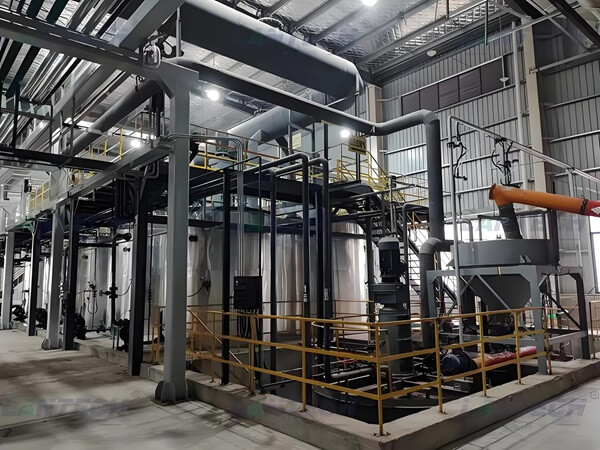
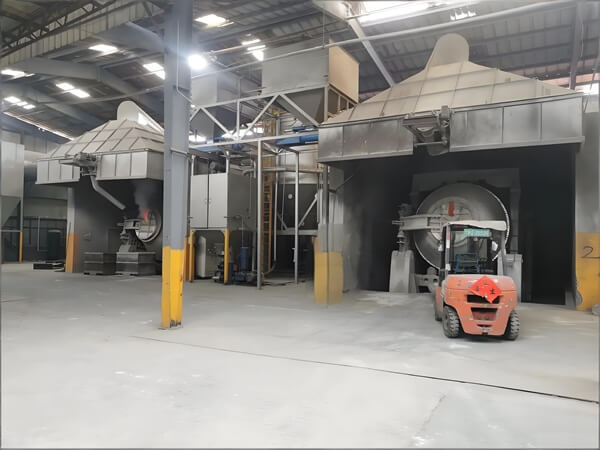
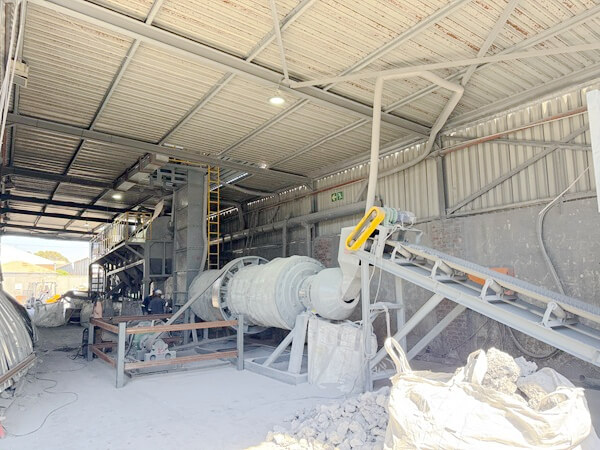
However, since January 1, 2021, when aluminum dross was classified as hazardous waste, we can successfully produce high-whiteness aluminum oxide (Al2O3) through hydrolysis to remove ammonia, fluoride, and chlorine, as well as mineralization to remove heavy metal impurities, followed by hydrogen-fueled combustion with precise control of the redox atmosphere and temperature.
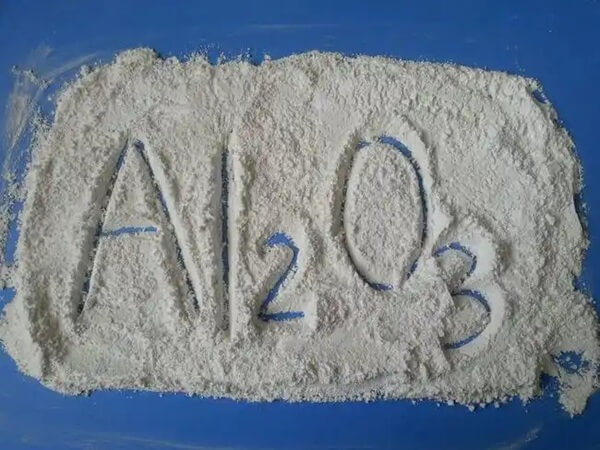
This aluminum oxide has diverse industrial applications and significant economic value.
Here, we will discuss in detail the applications of aluminum oxide in various industrial fields and the high added value it brings.
Industrial Applications of Aluminum Oxide
The Diversity of Non-Metallurgical Applications
The aluminum oxide (Al₂O₃) mentioned in this article, also known as non-metallurgical alumina, has a wide range of non-metallurgical applications.
Its structural forms are diverse, including α-Al₂O₃, β-Al₂O₃, or γ-Al₂O₃, which vary depending on the calcination temperature, degree of mineralization, and calcination atmosphere.
Aluminum oxide has important applications in building materials, ceramics, flame-retardant materials, corundum artificial marble, papermaking, electrical appliance manufacturing, and toothpaste, bringing significant economic value to related industrial sectors.
Applications and Values in Different Forms
1.α-Al₂O₃
With its high melting point, high hardness, acid and alkali resistance, and good thermal stability and insulation, it plays a crucial role in wear-resistant materials, electrical fillers, spark plugs, electrical substrates, and special ceramic products.
2. High-purity Al₂O₃
(purity reaching 99.99% or higher), with its excellent corrosion resistance, high-temperature resistance, and sufficient hardness, while having extremely low impurity content, is widely used in the production of high-whiteness ceramics and functional ceramics, especially in the field of fine electronic industrial ceramics.
3.Low-sodium α-Al₂O₃
It is a stable material with a fineness controlled below 5 micrometers, making it ideal for manufacturing ceramic products using the slip casting method and for high-wear-resistant ceramic parts.
4. Activated Al₂O₃
It has wide applications in adsorption and catalysis, often used as a catalyst or catalyst carrier in the petrochemical industry. It can also be used in oil decolorization and automotive exhaust adsorption and purification processes.
5. Amorphous Al2O3:
Amorphous Al2O3, a mixture of α-Al2O3, β-Al2O3, and γ-Al2O3, has a whiteness exceeding 75 after calcination.
This material has wide applications in various fields, such as corundum spheres, fireproof boards, high-grade ceramic decorative panels, and the manufacture of artificial marble and agate.
Furthermore, it can be used as a dispersed ceramic filler and toothpaste filler.
Due to its diverse applications and superior performance, amorphous Al2O3 has a very broad market prospect and a relatively high price.
Market Value
Different forms of aluminum oxide, such as α-Al2O3 and high-purity Al2O3, have their own advantages in terms of uses and market value, and their application prospects are broad.
Preparation Process and Technical Requirements
The raw materials for the preparation of amorphous Al2O3 are all derived from secondary aluminum dross, and this abundant source of raw materials ensures a low-cost advantage.
However, to successfully prepare high-quality amorphous Al2O3, the intermediate process is not only a test of technology, but also a comprehensive reflection of a deep understanding of inorganic materials and comprehensive practical skills.
Its involves the intersection and integration of multiple disciplines such as inorganic chemistry, structural chemistry, and metallurgical mineral processing.
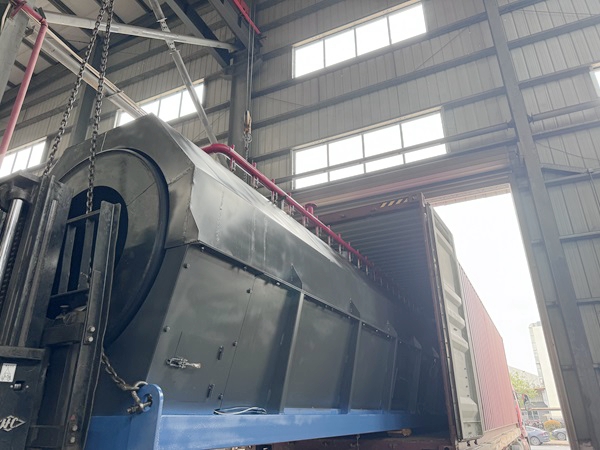
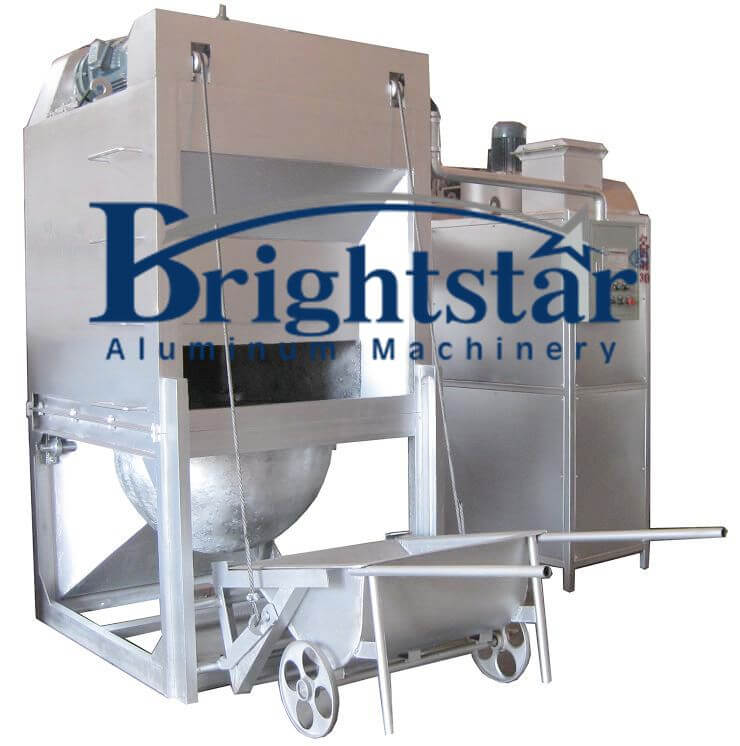
Brightstar Aluminum Machinery offers a total solution for an aluminum dross processing system and harmless treatment.
Contact us now to obtain a reliable No-obligation quote!
References:
[1]李松元,李志扬,吕帅帅,等.钙化焙烧法脱除二次铝灰中氮的试验研究[J].有色金属工程,2021,11(4):63-69
[2]张宁燕.碱法焙烧脱除二次铝灰中的氟、氯元素及铝的回收[J].新疆有色金属,2019(2):47-49
[3] Mankhand T R .Recovery of valuable materials from aluminum dross[J].Sustain Planet,2012,3:86-94.
[4]徐思琪,王雪娇,陈平,等.我国铝冶炼企业固体废物的指纹特征及毒性[J].环境科学研究,2021,34(9):2248-2255